Thursday, June 17, 2010

German Luggage

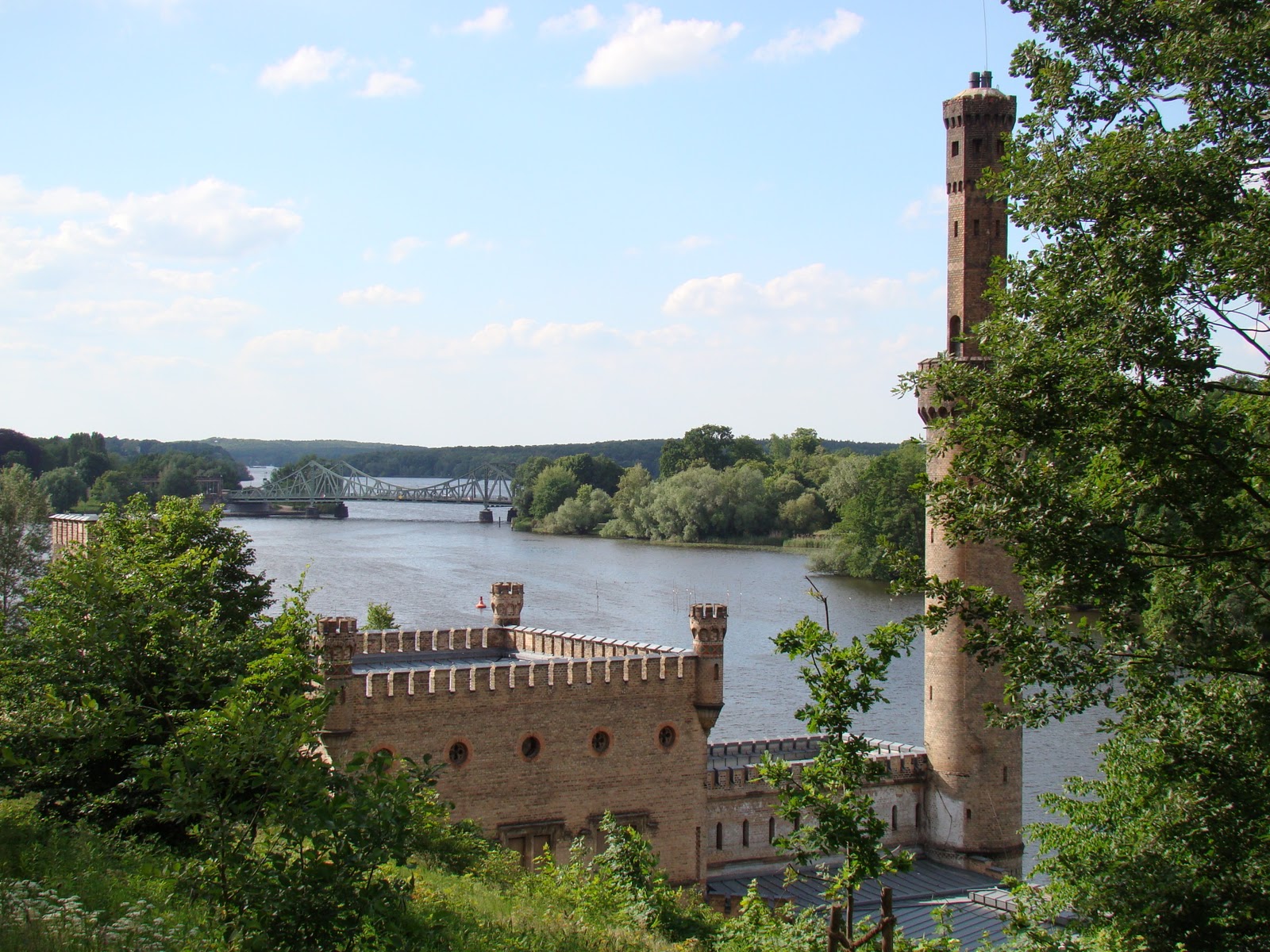
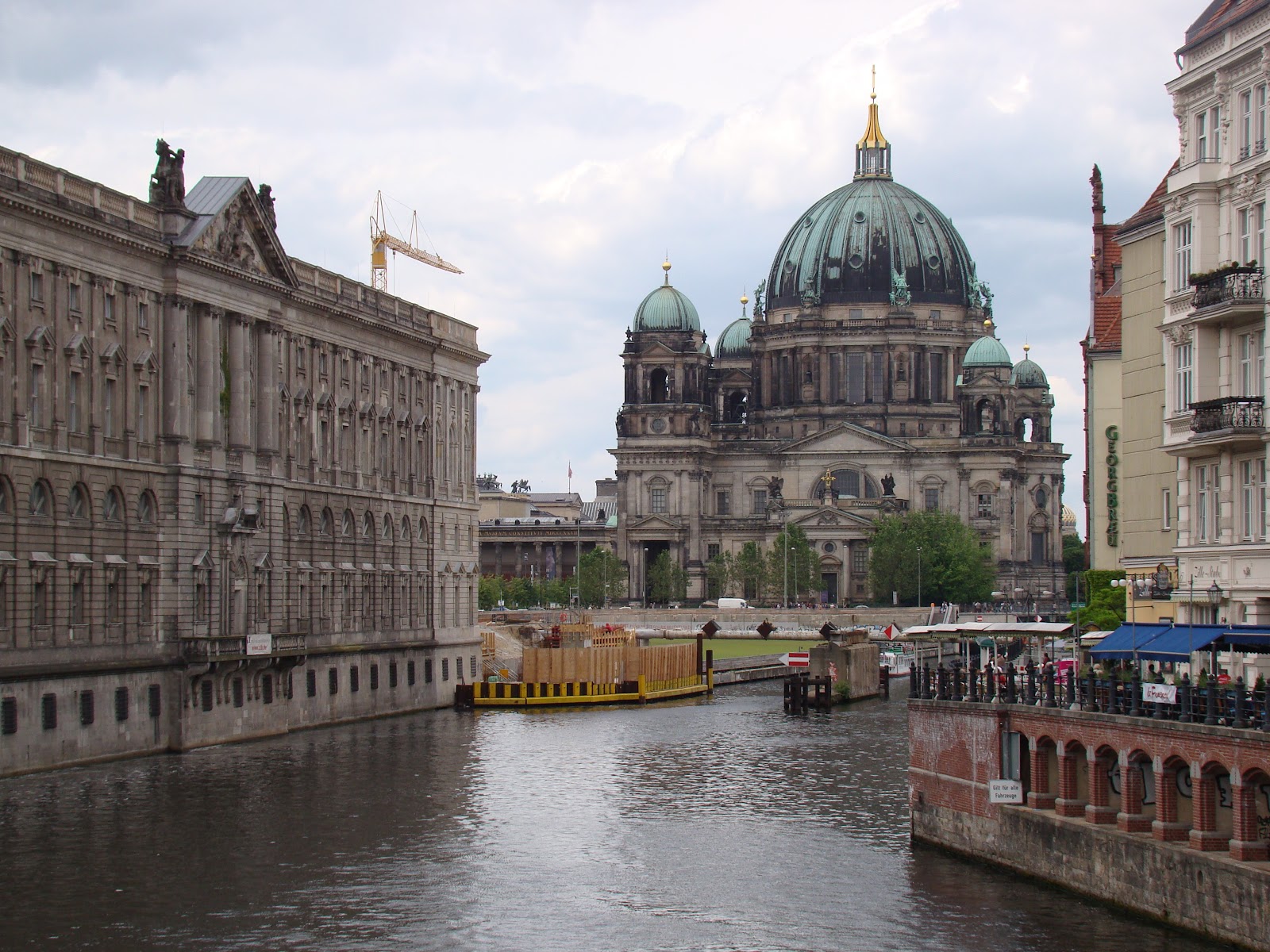
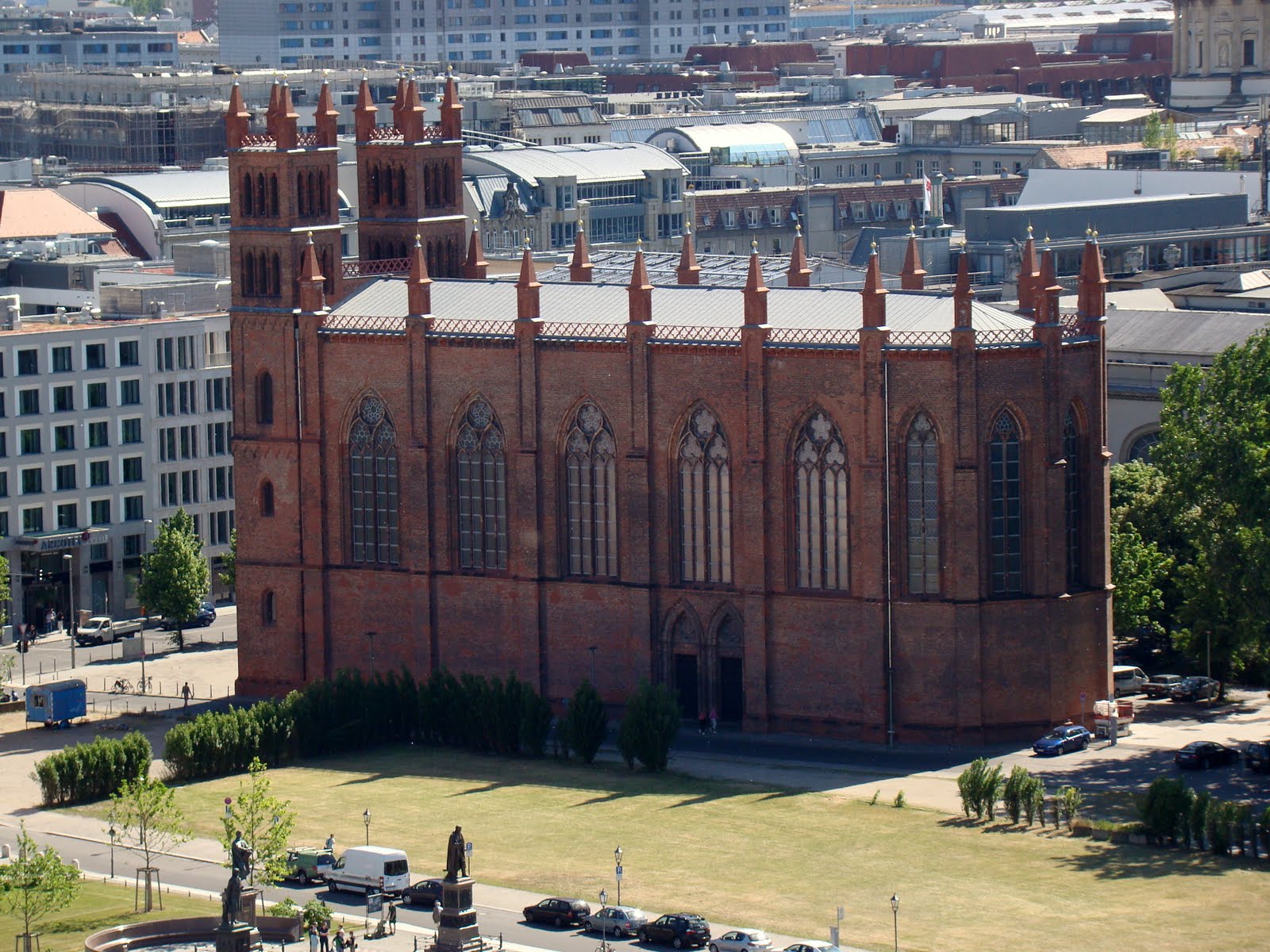
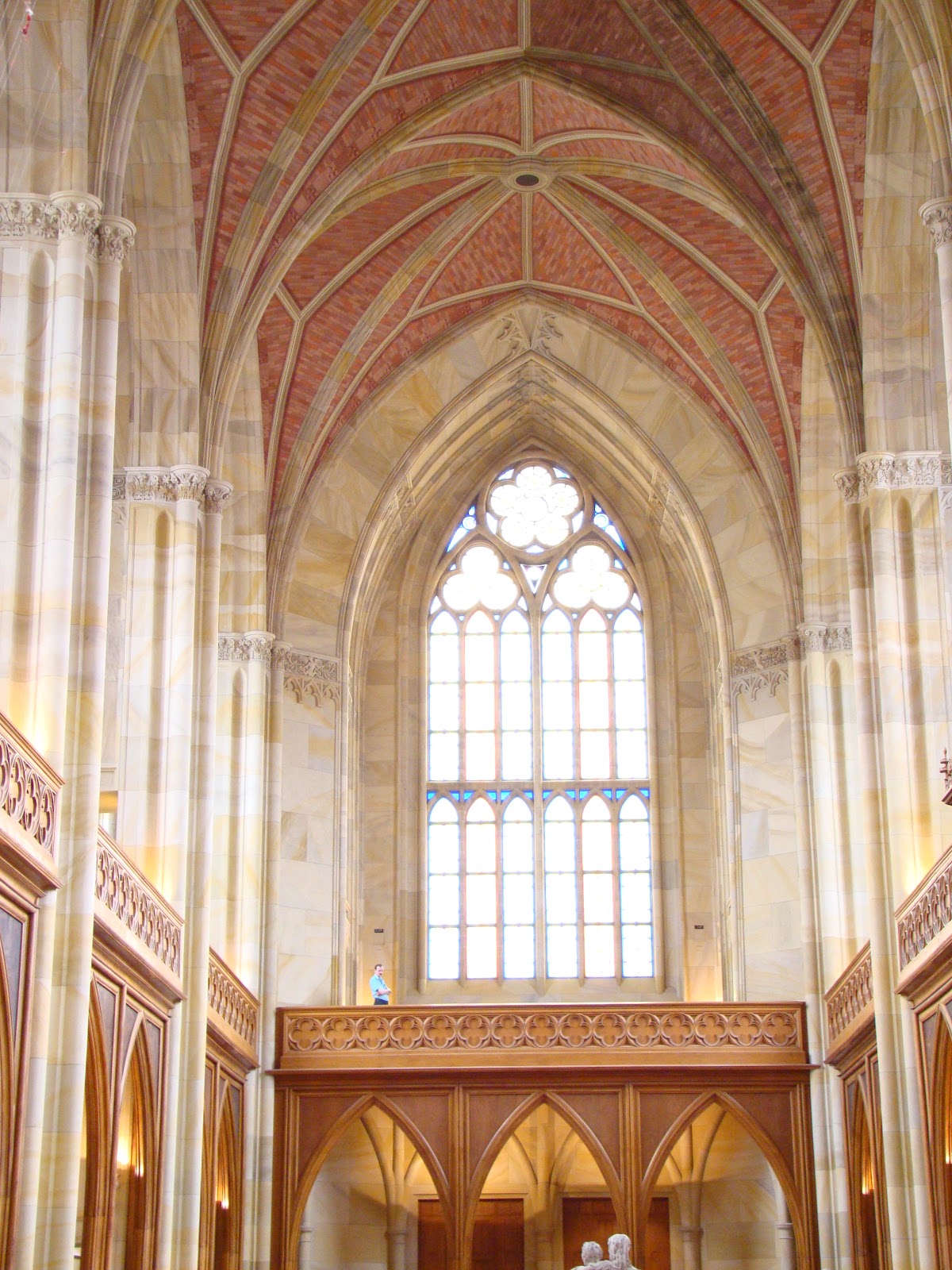
Germany has so much baggage to deal with.  From barbarians running through the woods beyond the frontier of the Roman Empire... To the protestant reformation and the fight to have it accepted....  Then the princes, kings, and emperors....  And both the world wars with the horrific loss of life and vast devastation inflicted on others and suffered by this city and its people... The years of post war division and standing between the cold war super powers... And now this new unified Germany.  

To say that Germany has cultural, historical, social, political, and emotional baggage seems like such an understatement.  Our few-hundred year American history seems so much more straight forward, and the way we build buildings does not have to contend with nearly as many historical complexities.  German architecture has born witness to and stands to testify of all the triumphs and horrors of its people, and the way Germans plan their city, the way they design their buildings has to respond to the architectural heritage of Germany.  


The evidence of architecture's role as a witness to the past is even evident in the way that Germans rebuild monuments and buildings that have been destroyed.  They will go to the point of duplicating a destroyed building in order to preserve the impact that it had on their culture and city.

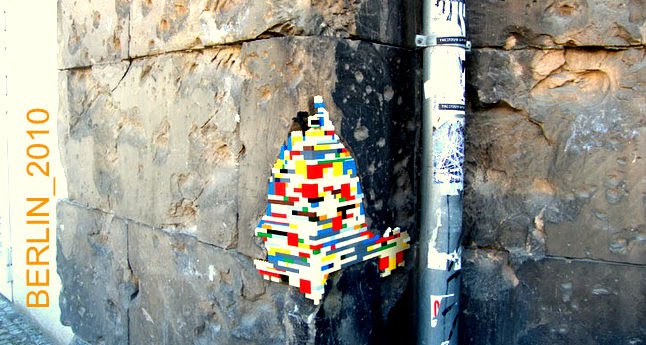
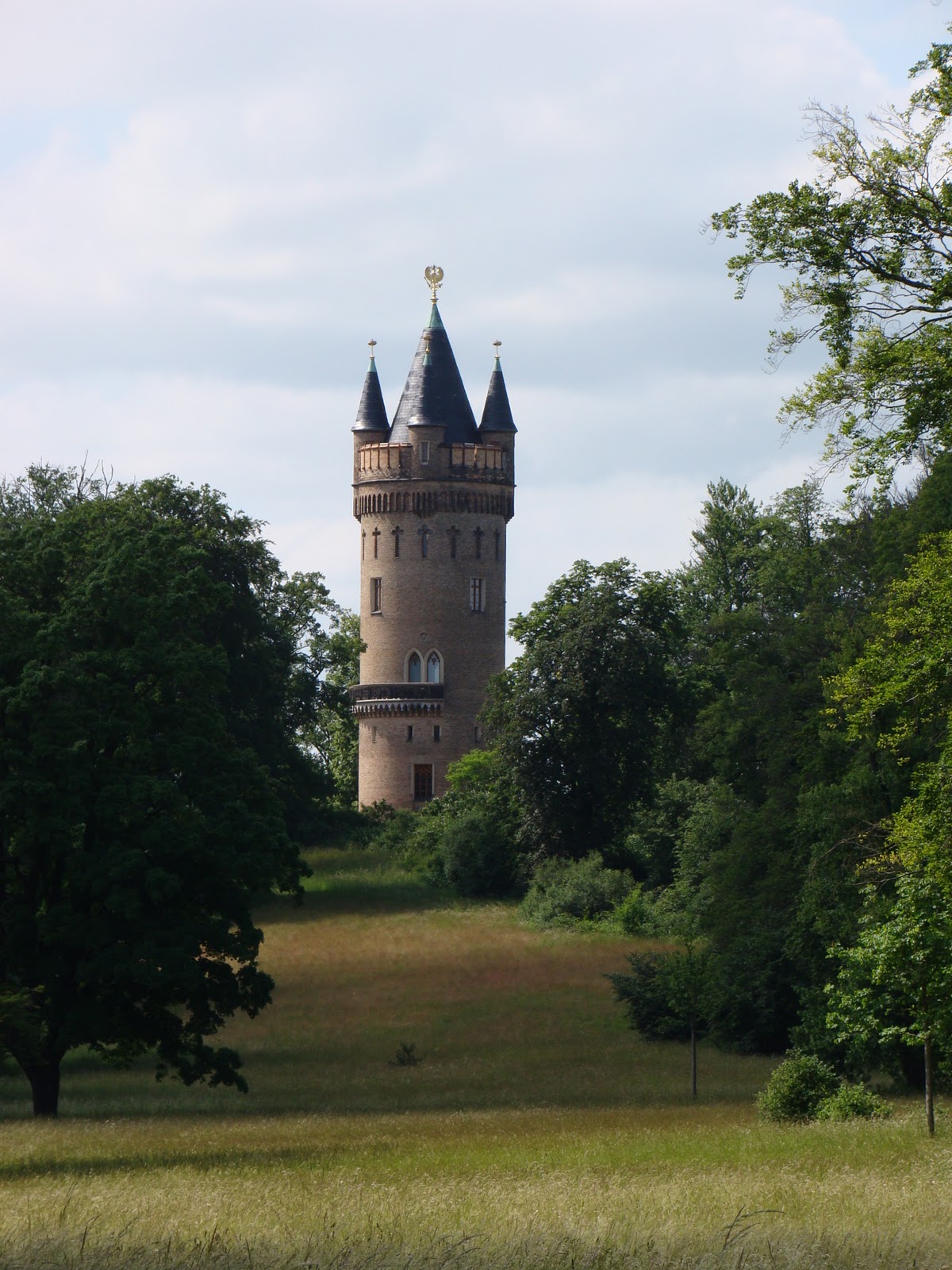
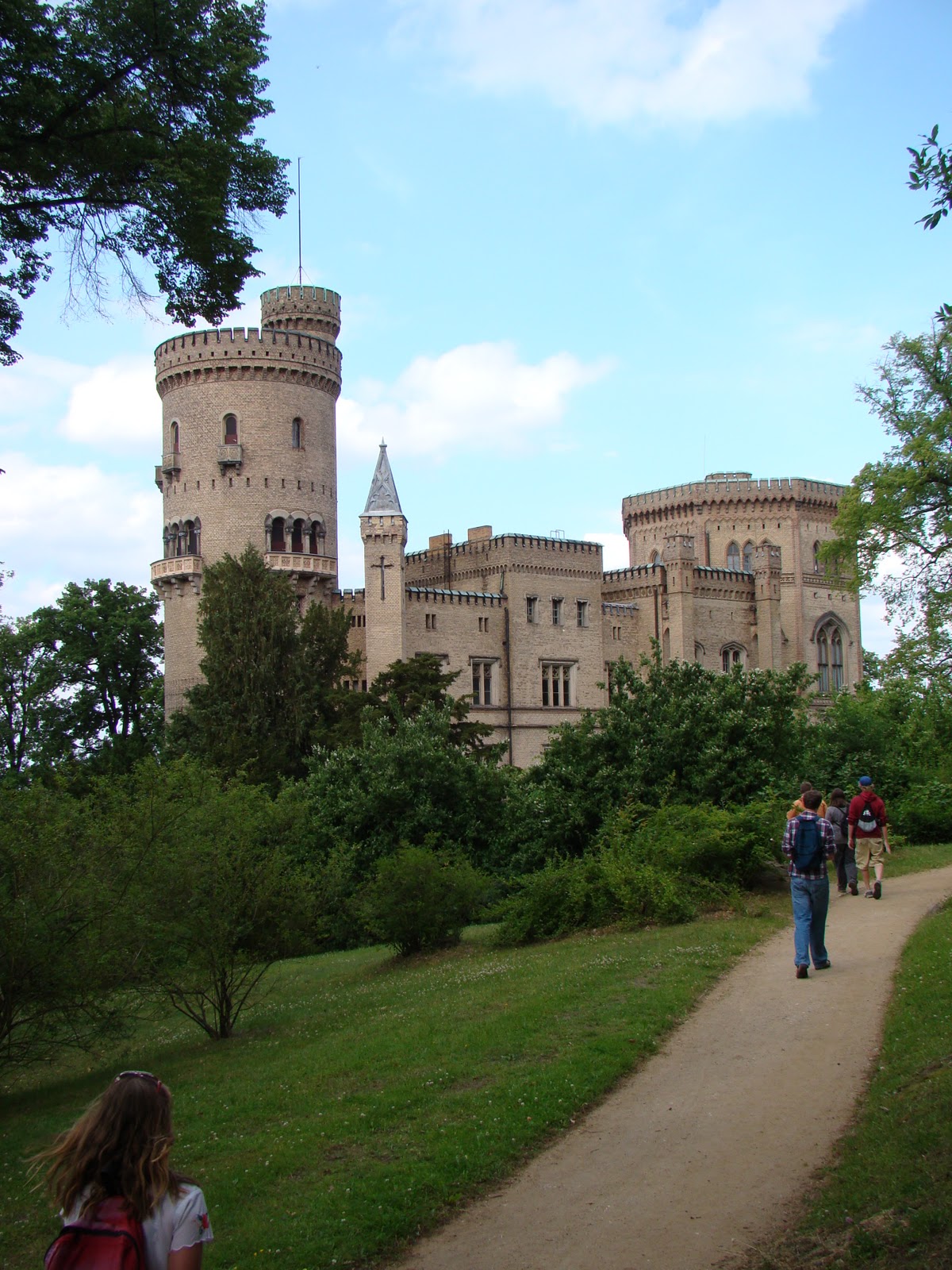
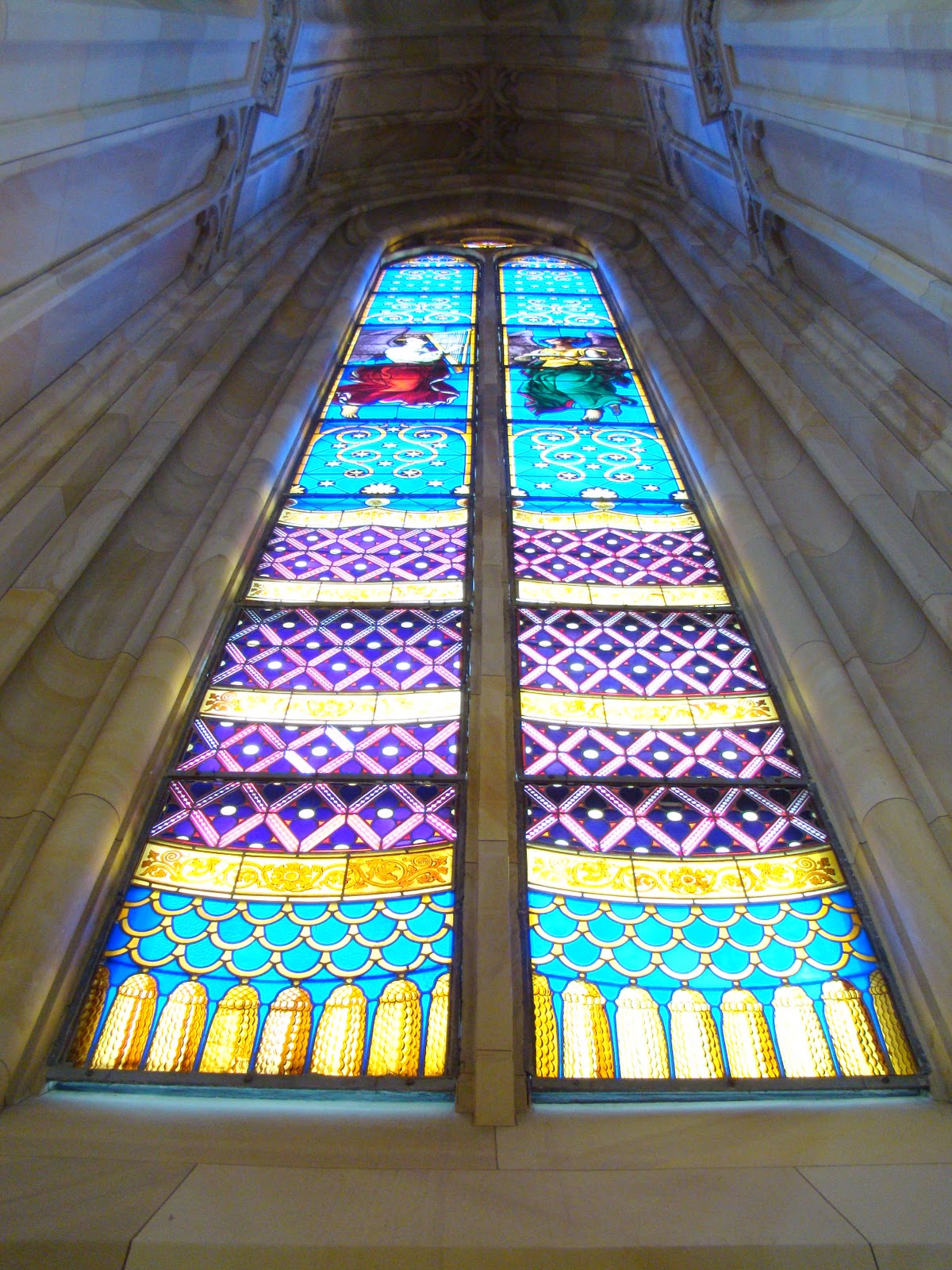
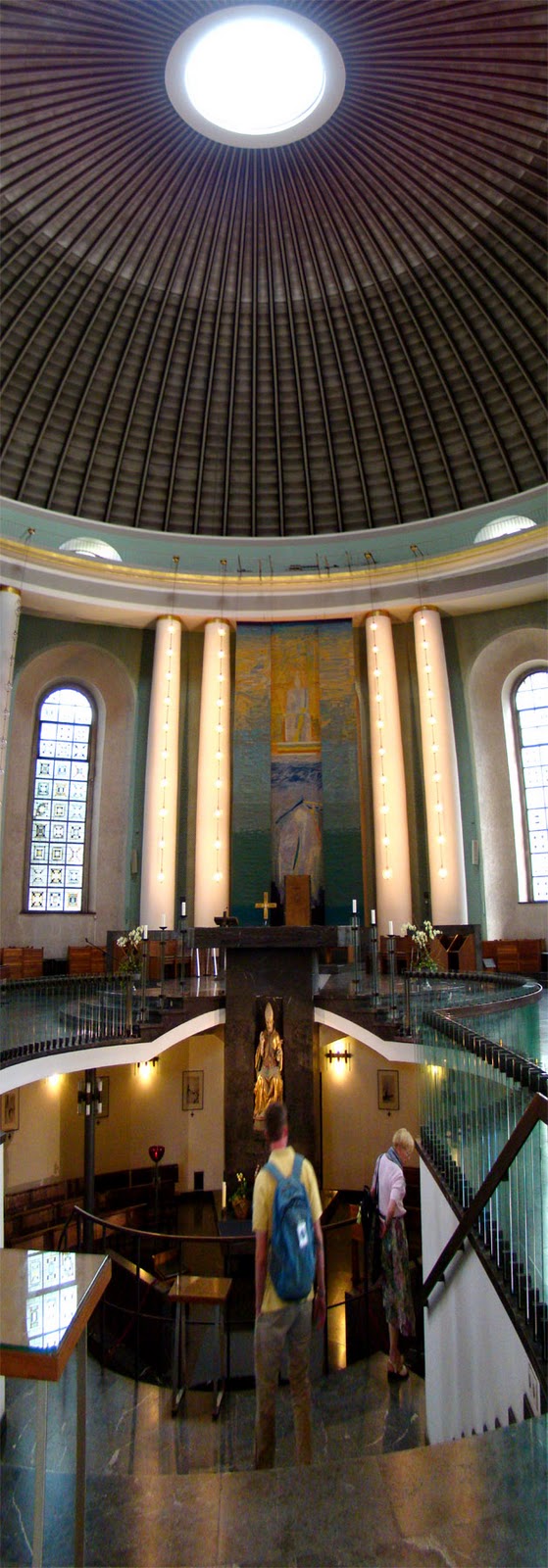
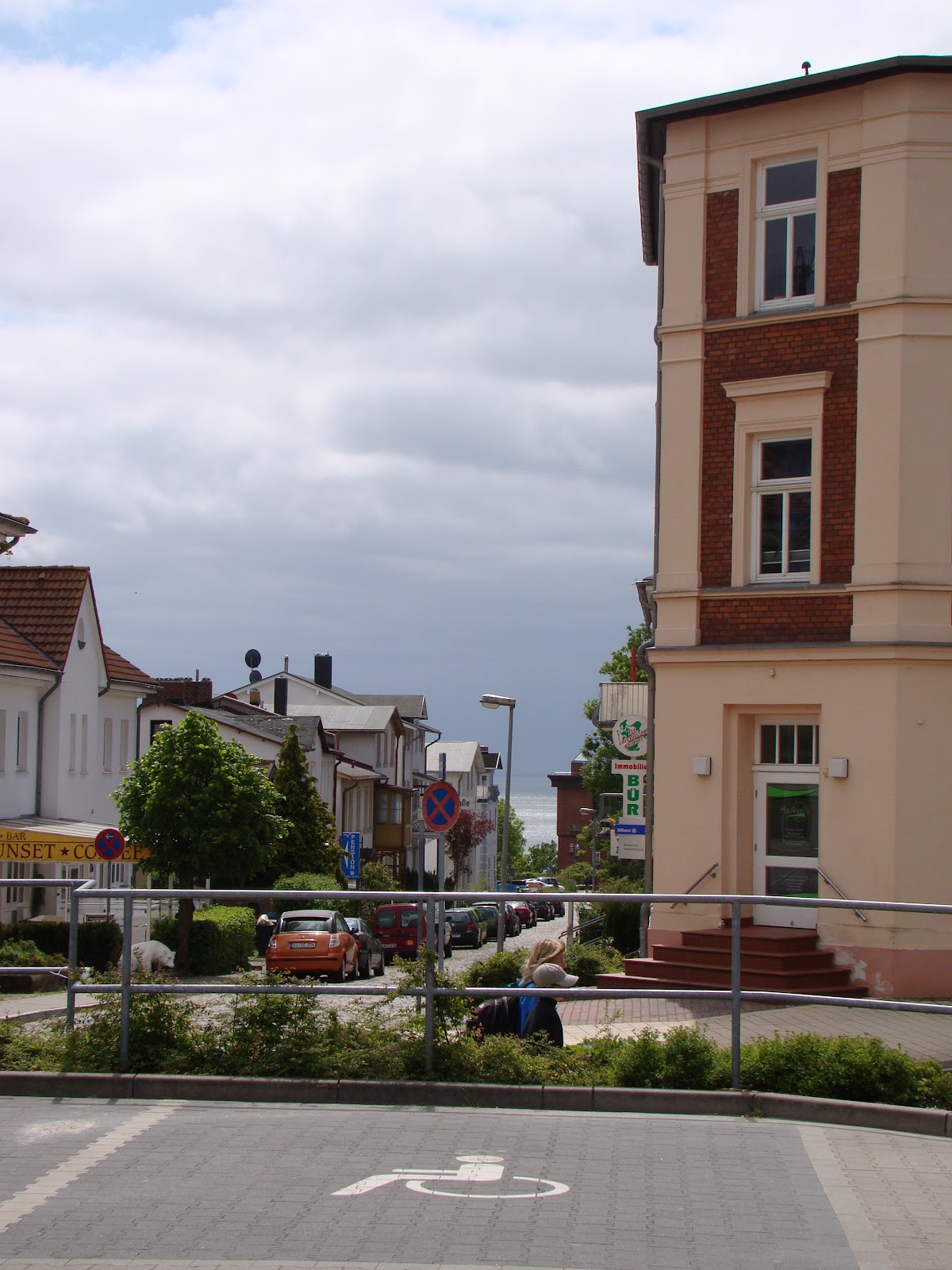
The last few days of class we have been focusing on older German architecture, German history, and the ways Germans have built, destroyed, or re-built throughout their history.


Brought to you by: Personal Jesus (cover) by Johnny Cash


Traffic Laws in Germany

So, I thought I had the traffic laws of Germany down the other day, but today I am back to confusion.  In the city of Potsdam it is considered DANGEROUS, ILLEGAL, and WORTHY OF DISCIPLINARY ACTION for someone to cross an intersection while the pedestrian light is red.  In the city of Berlin, however, the same action is completely tolerable. (see picture of group of students and teachers crossing)  Alas, I may never be able to understand the complexities and conflicts of German traffic laws...

Wednesday, June 16, 2010

SaszTrek


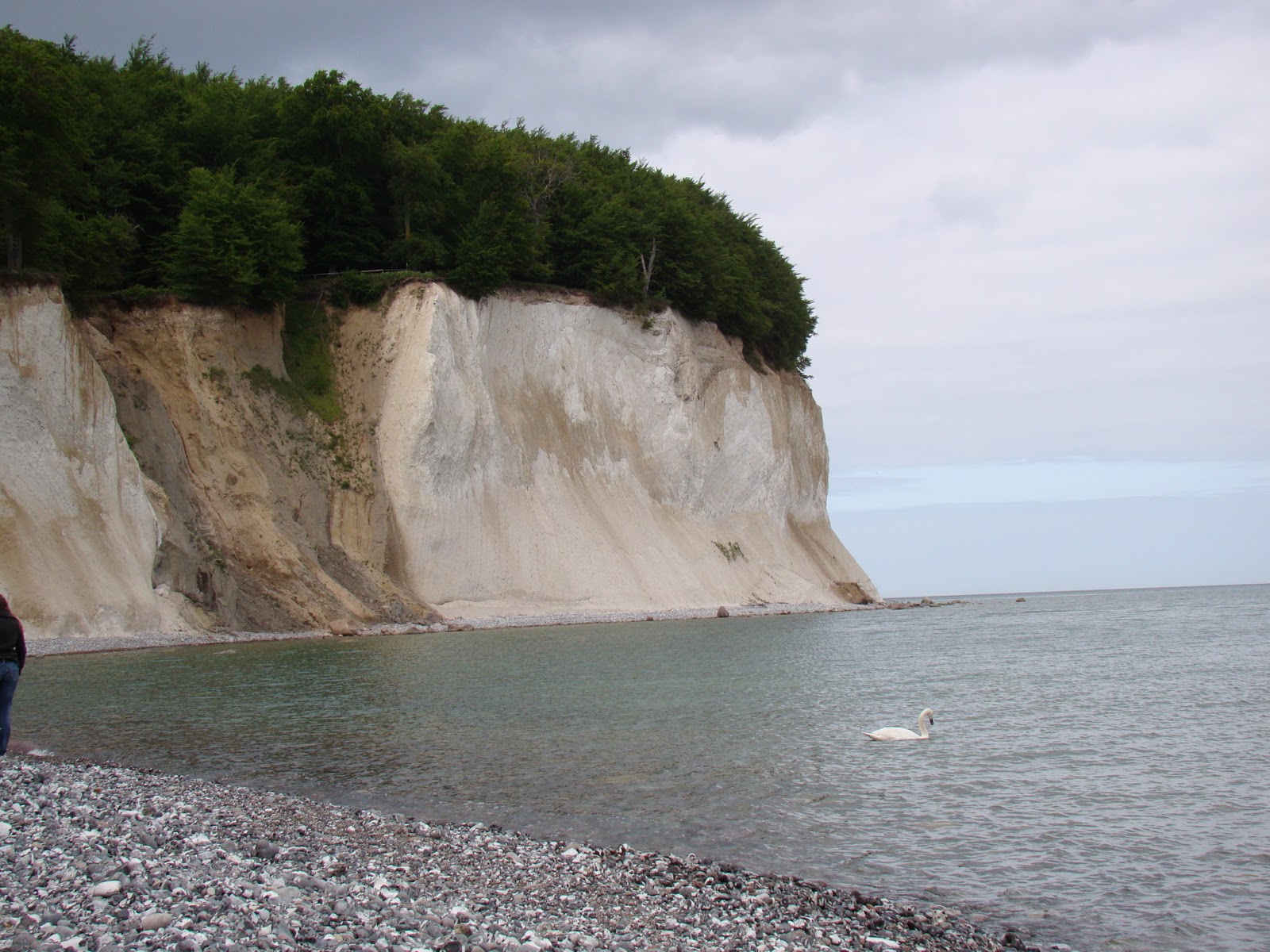
It is much more difficult to see the Baltic from Super1 in Ruston than from the Sassnitz grocery store.

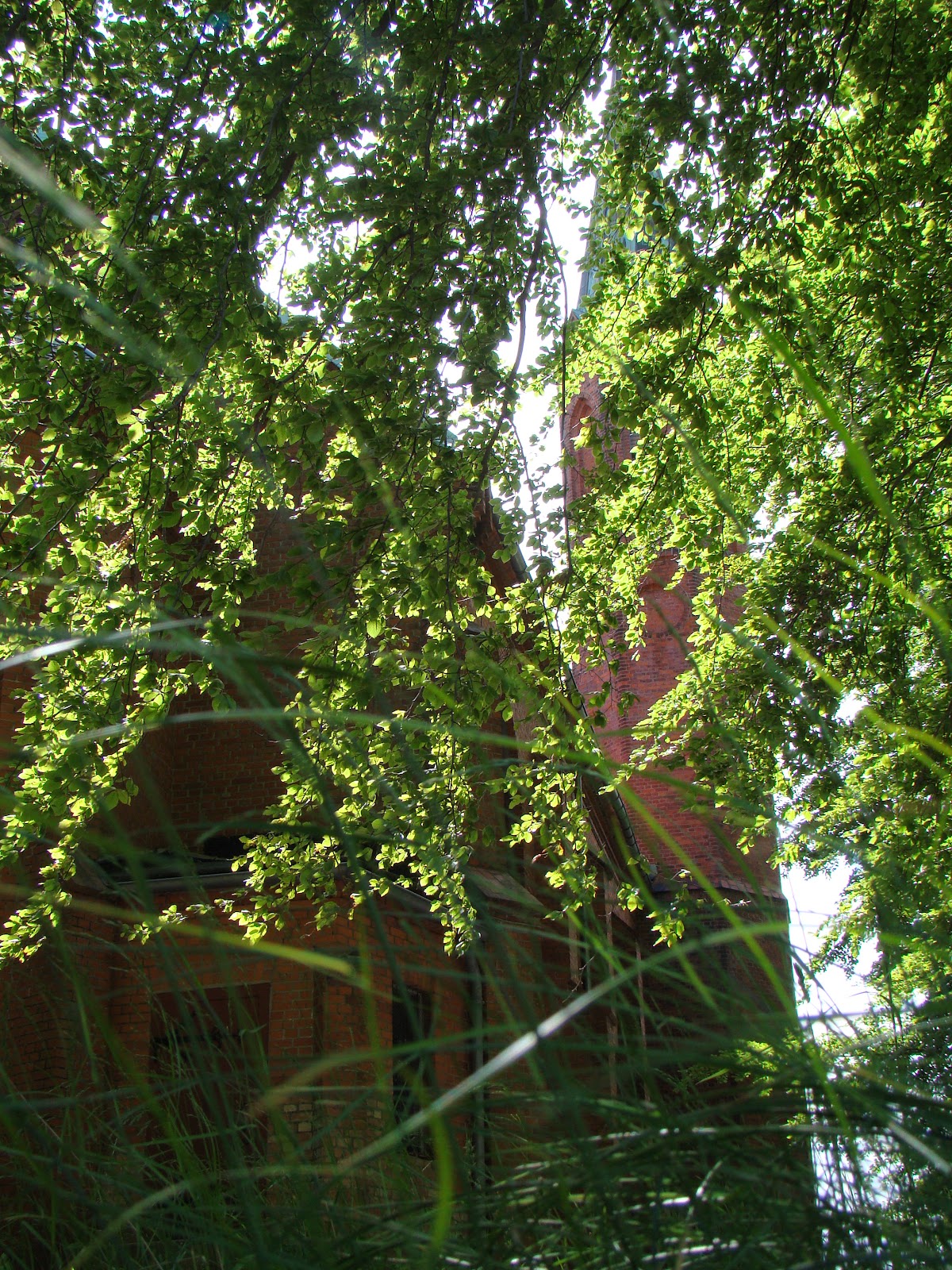
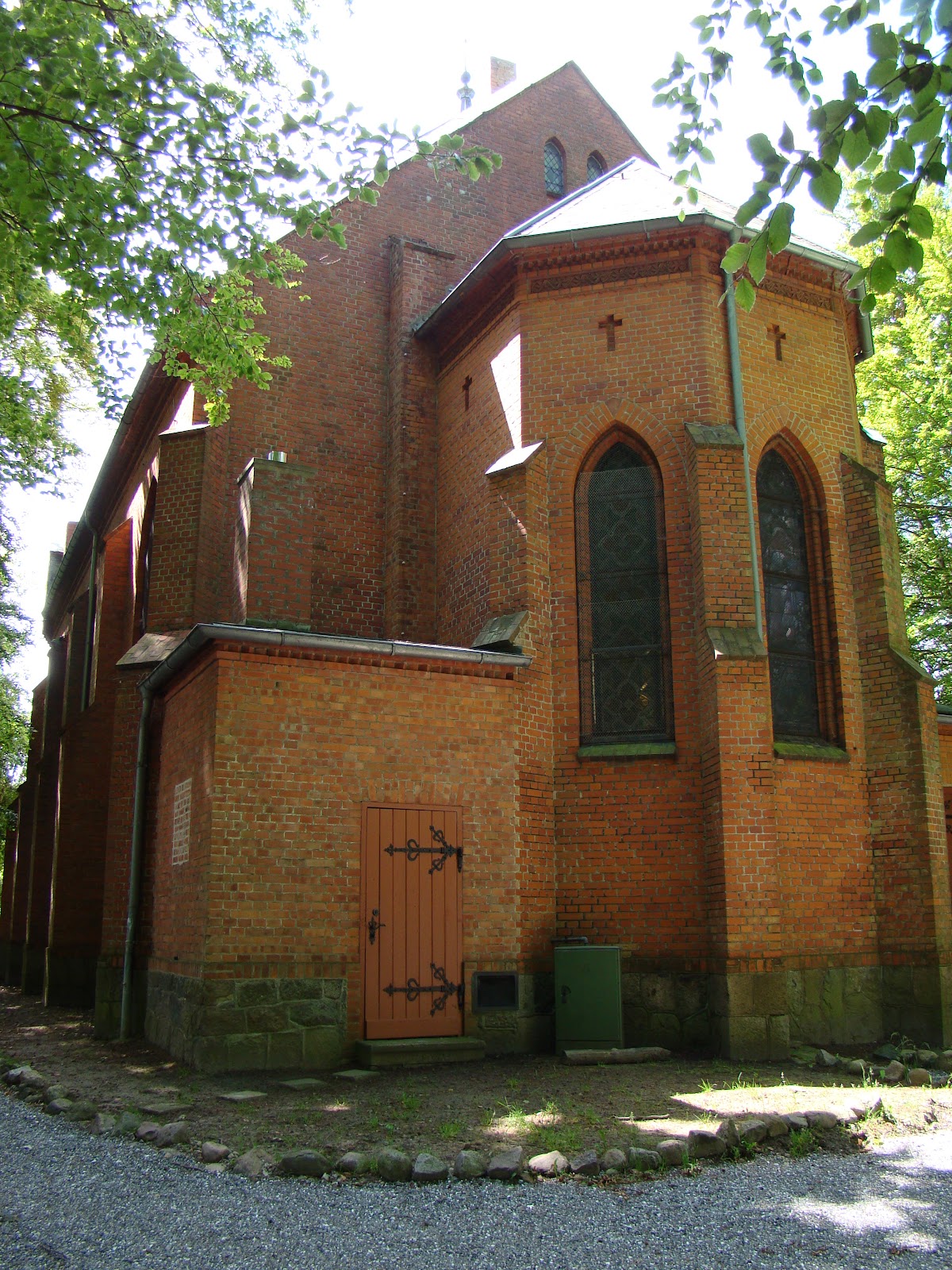
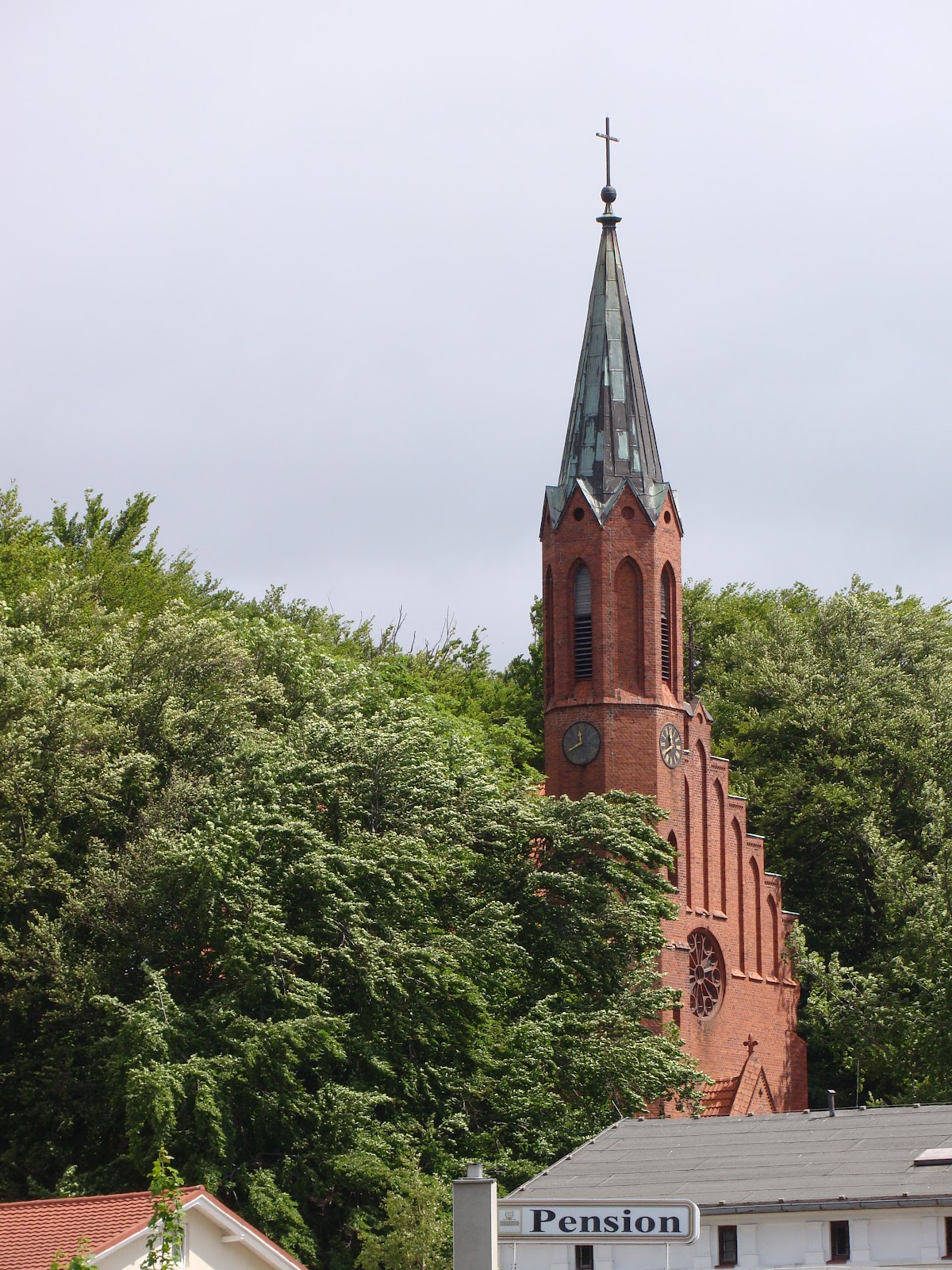
This church was right at the entrance to the forest on the edge of town.


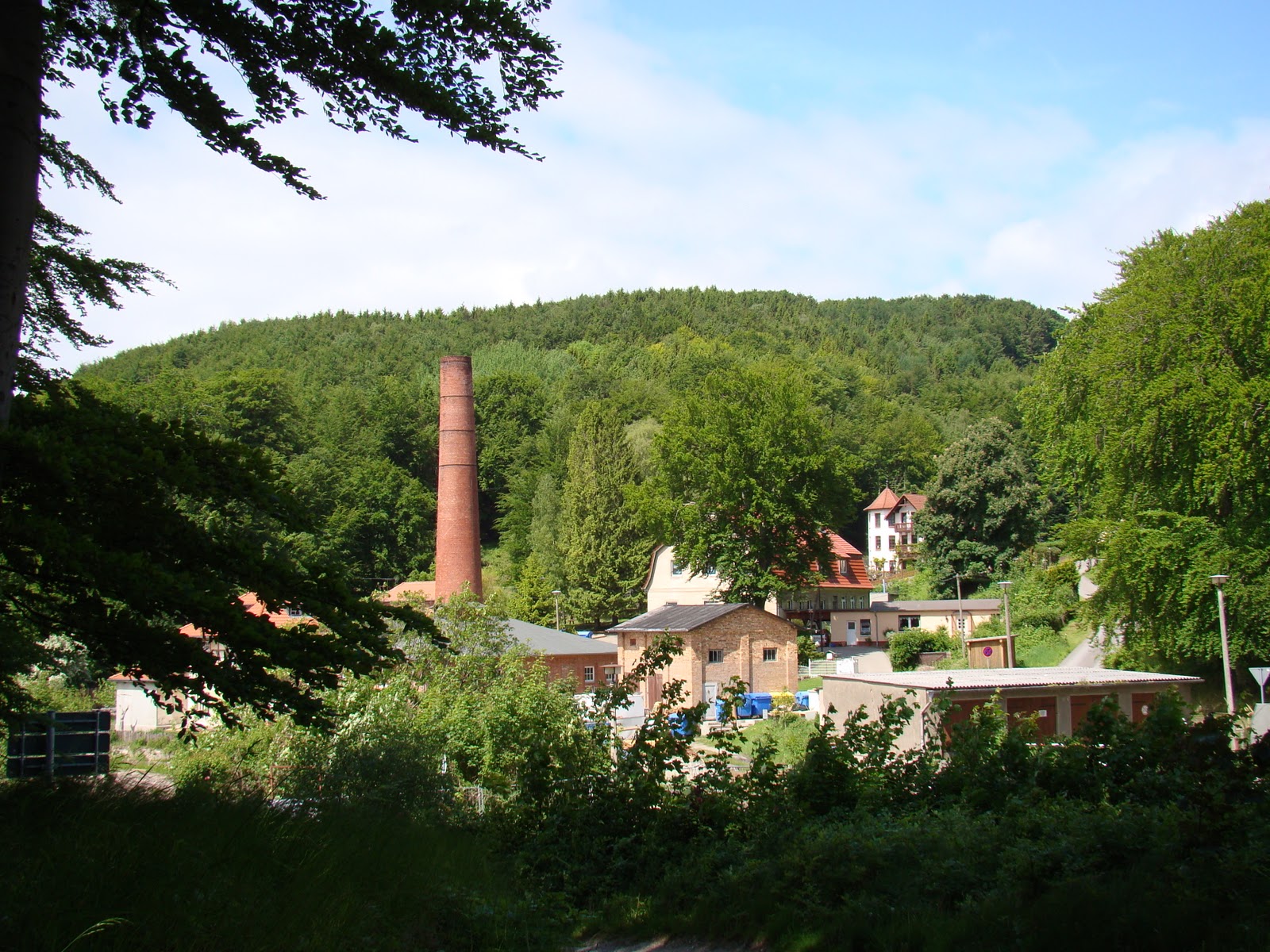
I even find industrial smoke stacks pretty over here.  Am I becoming biased?


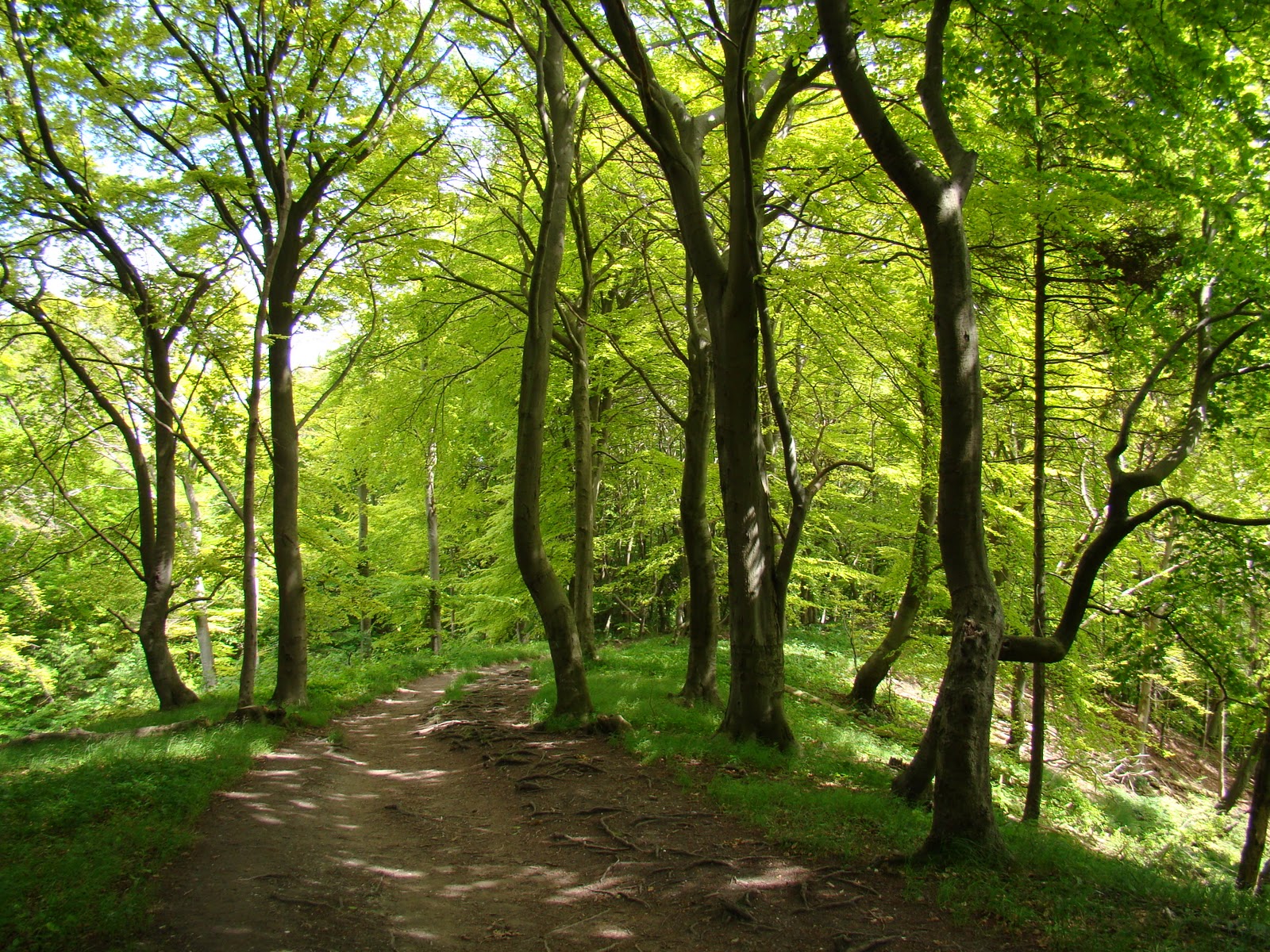
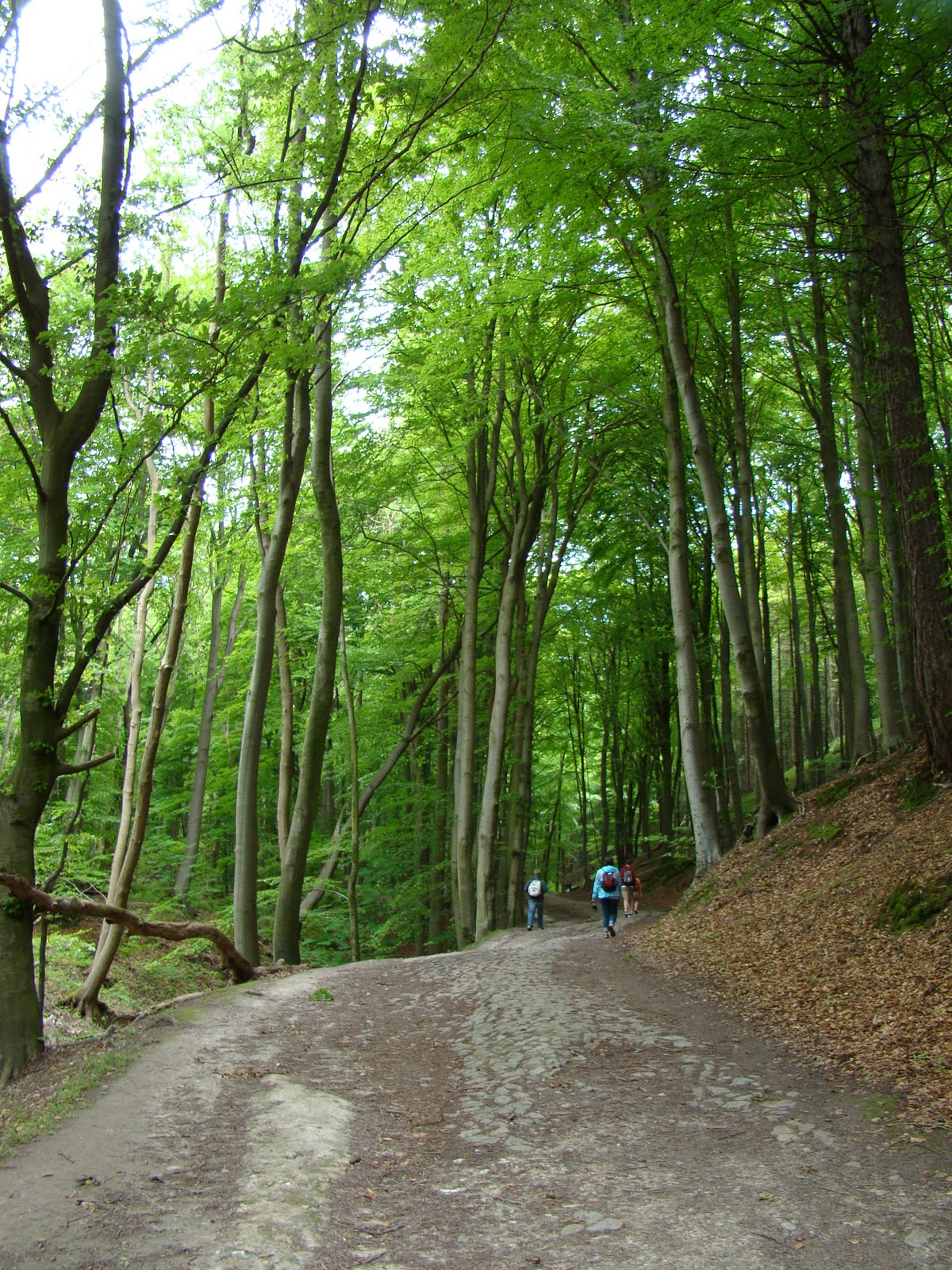
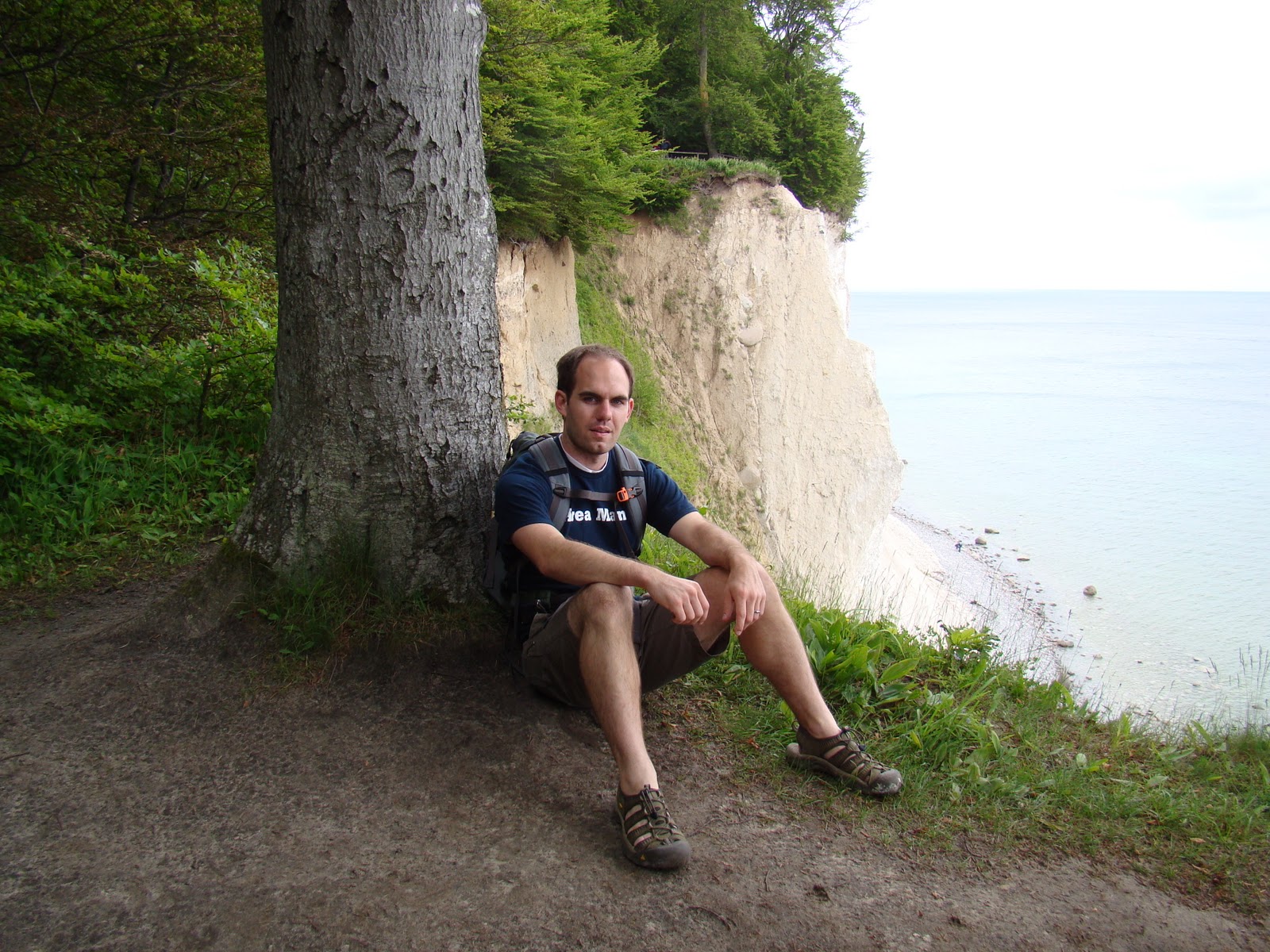
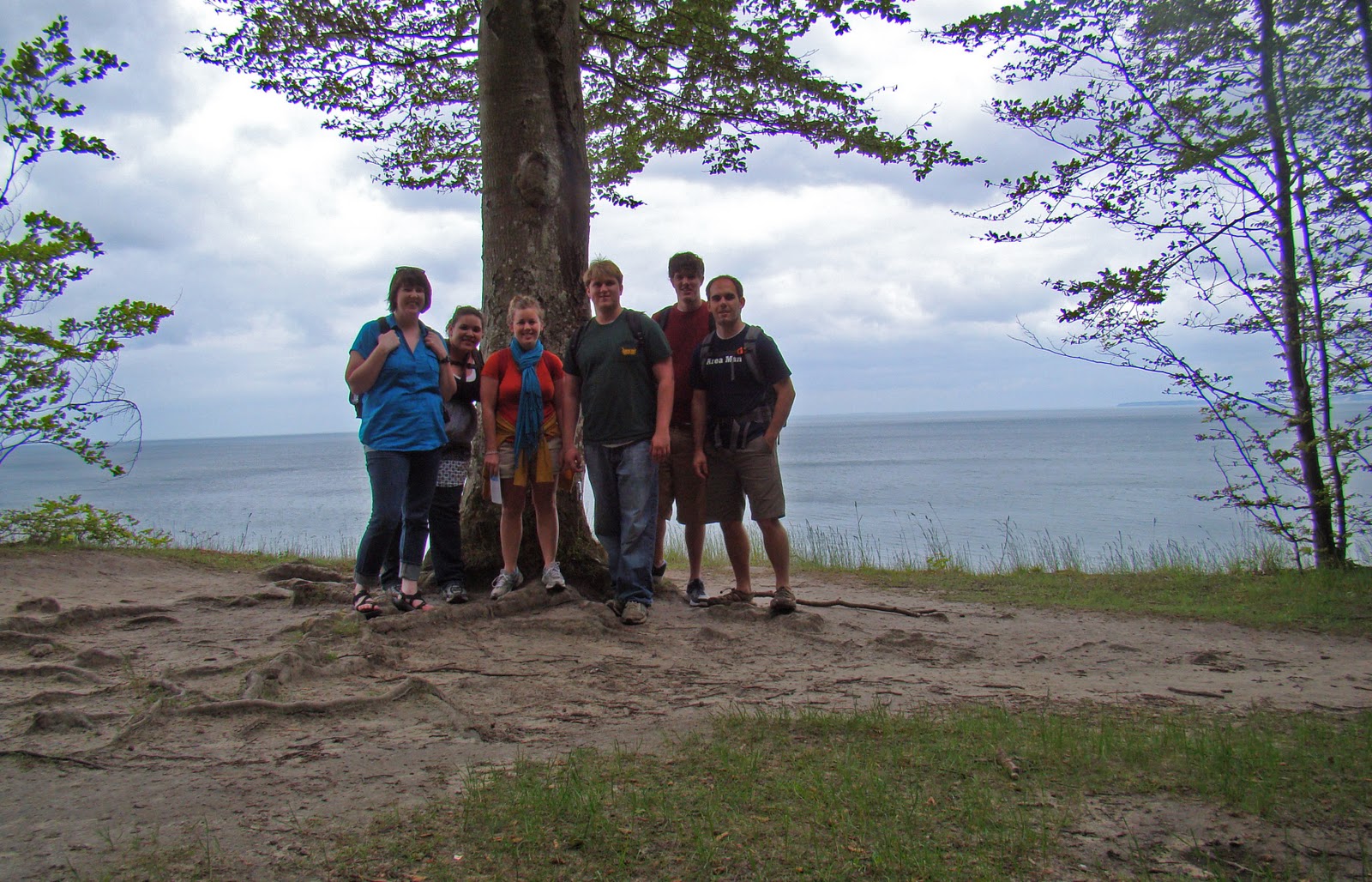
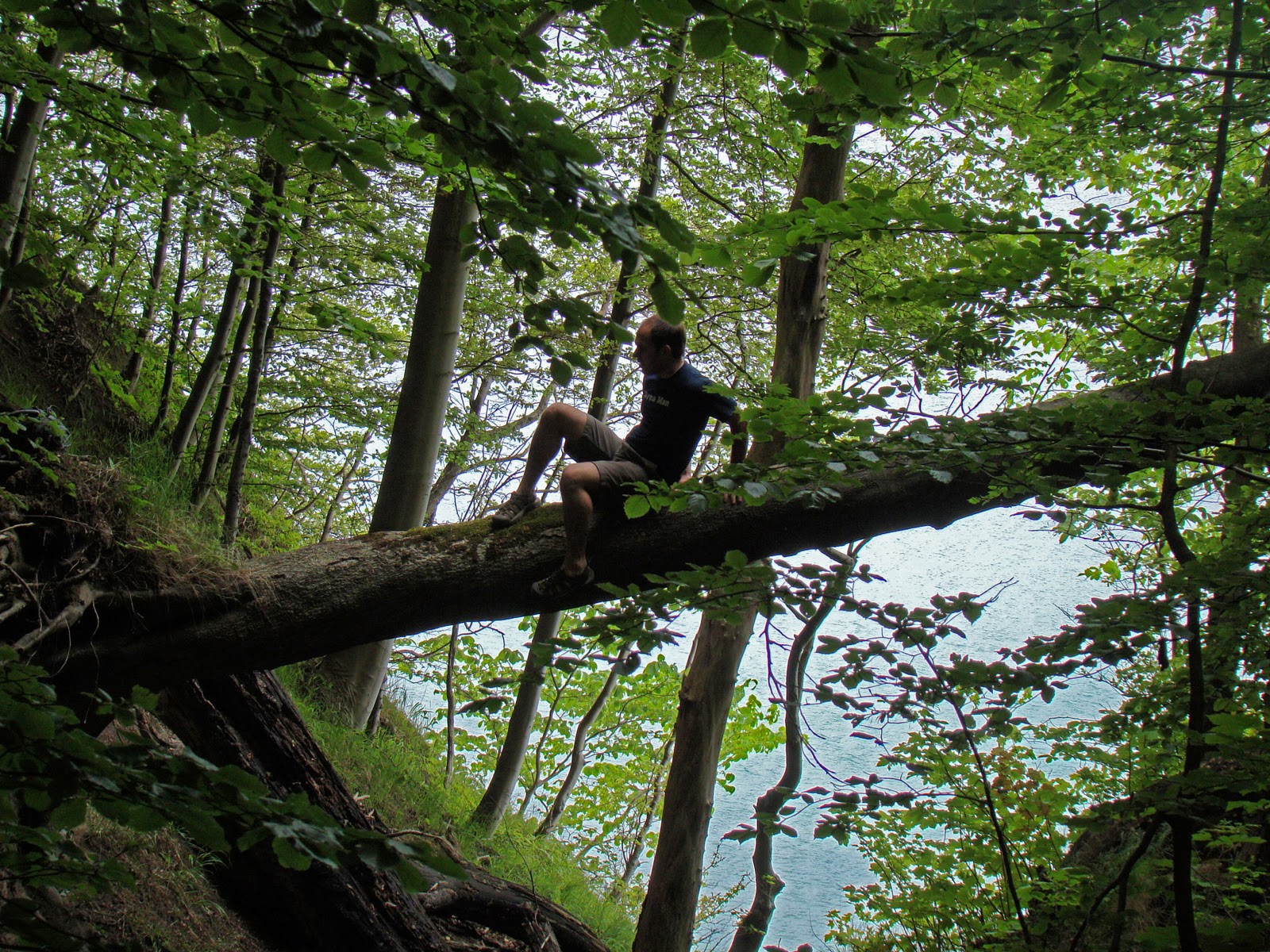
Start of our trek through the woods.


First sight of the sea.


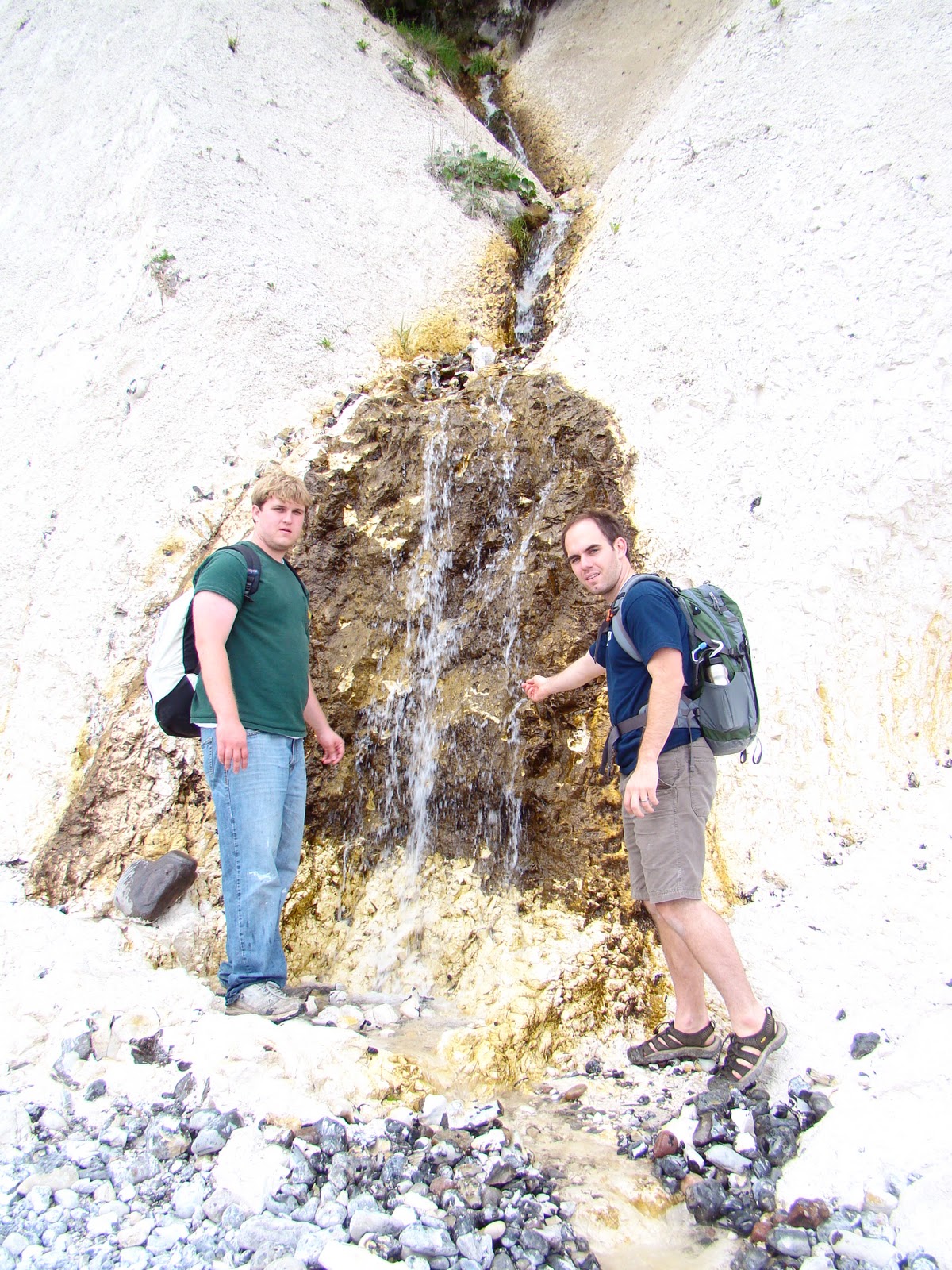
Ya can't see, but there is a waterfall just below.

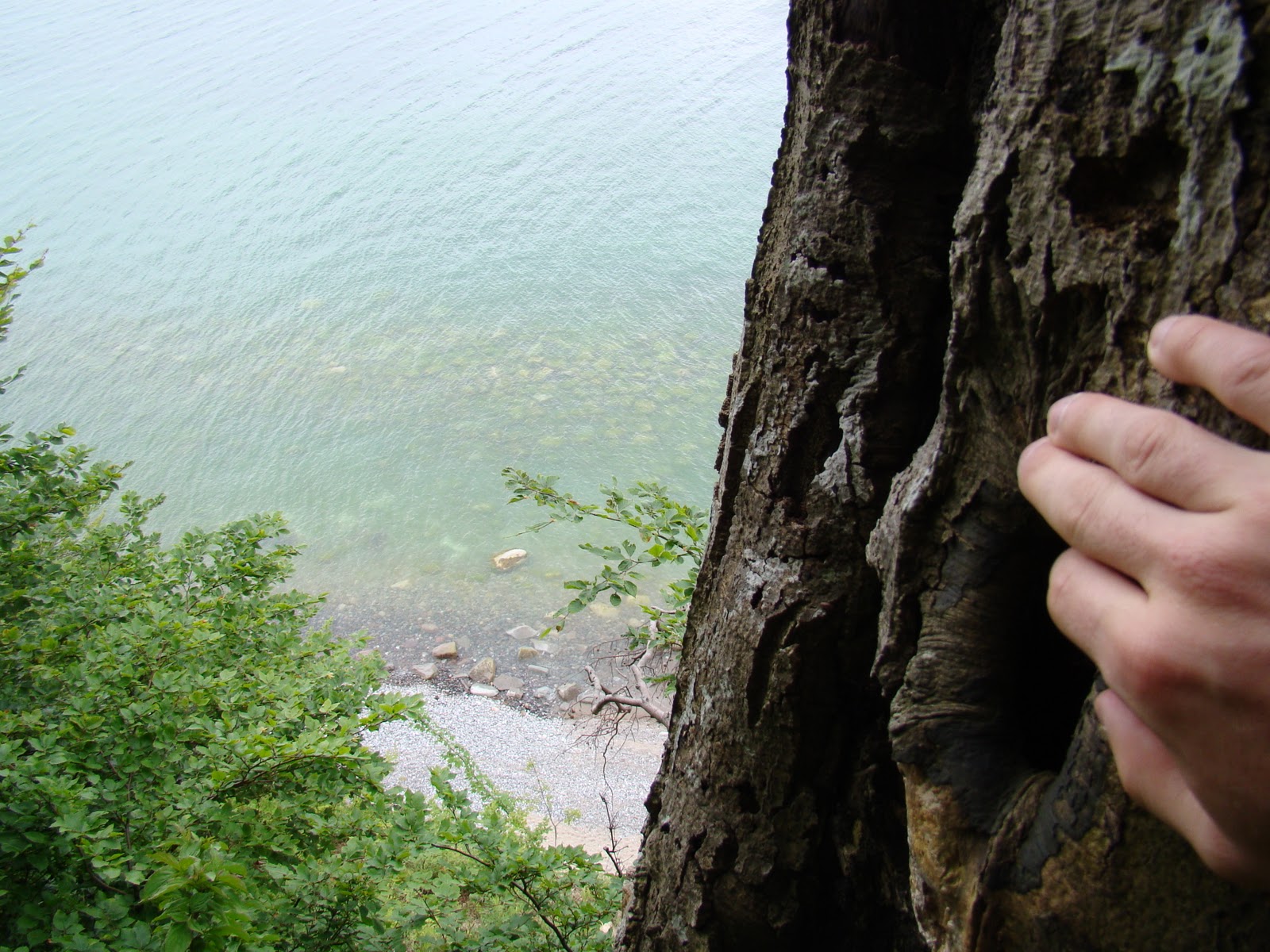
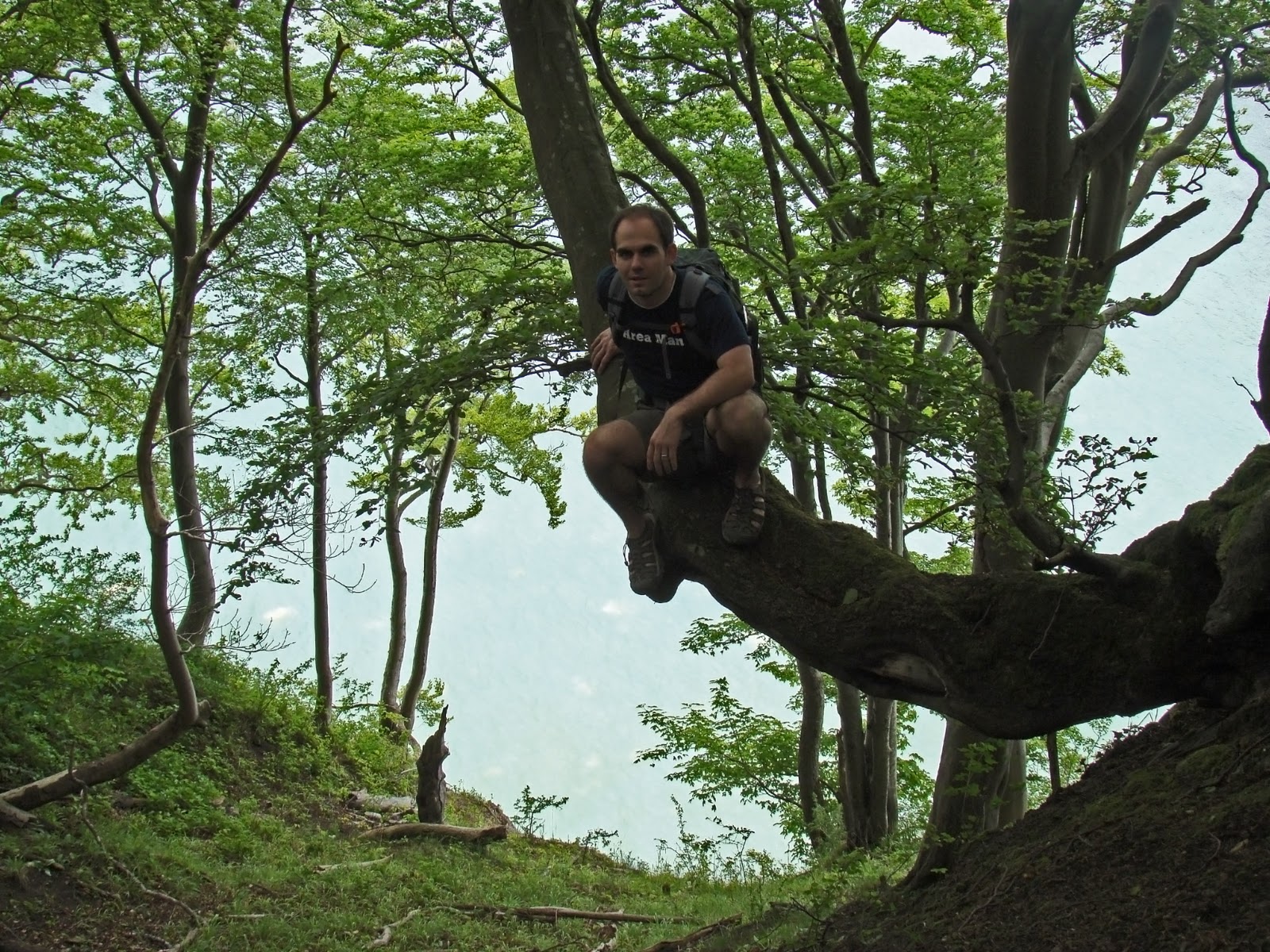
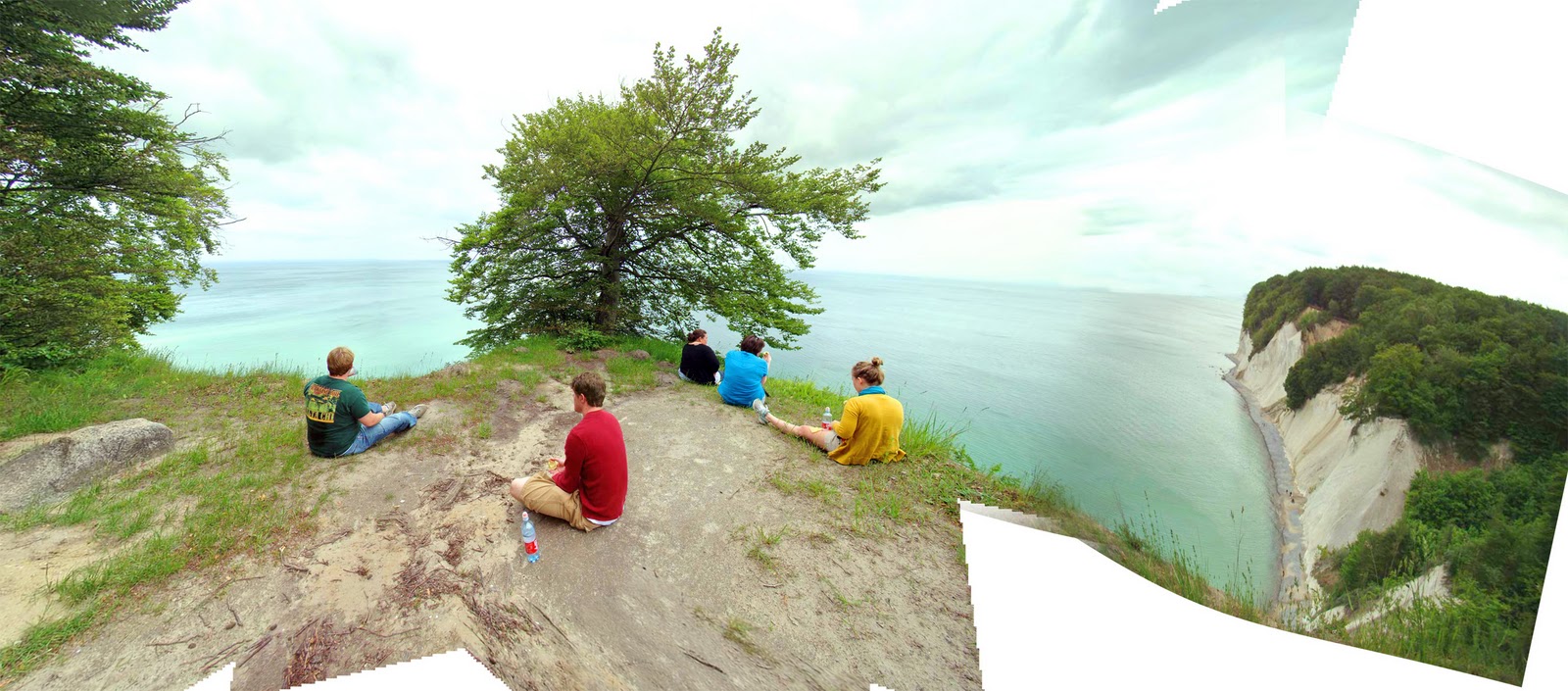
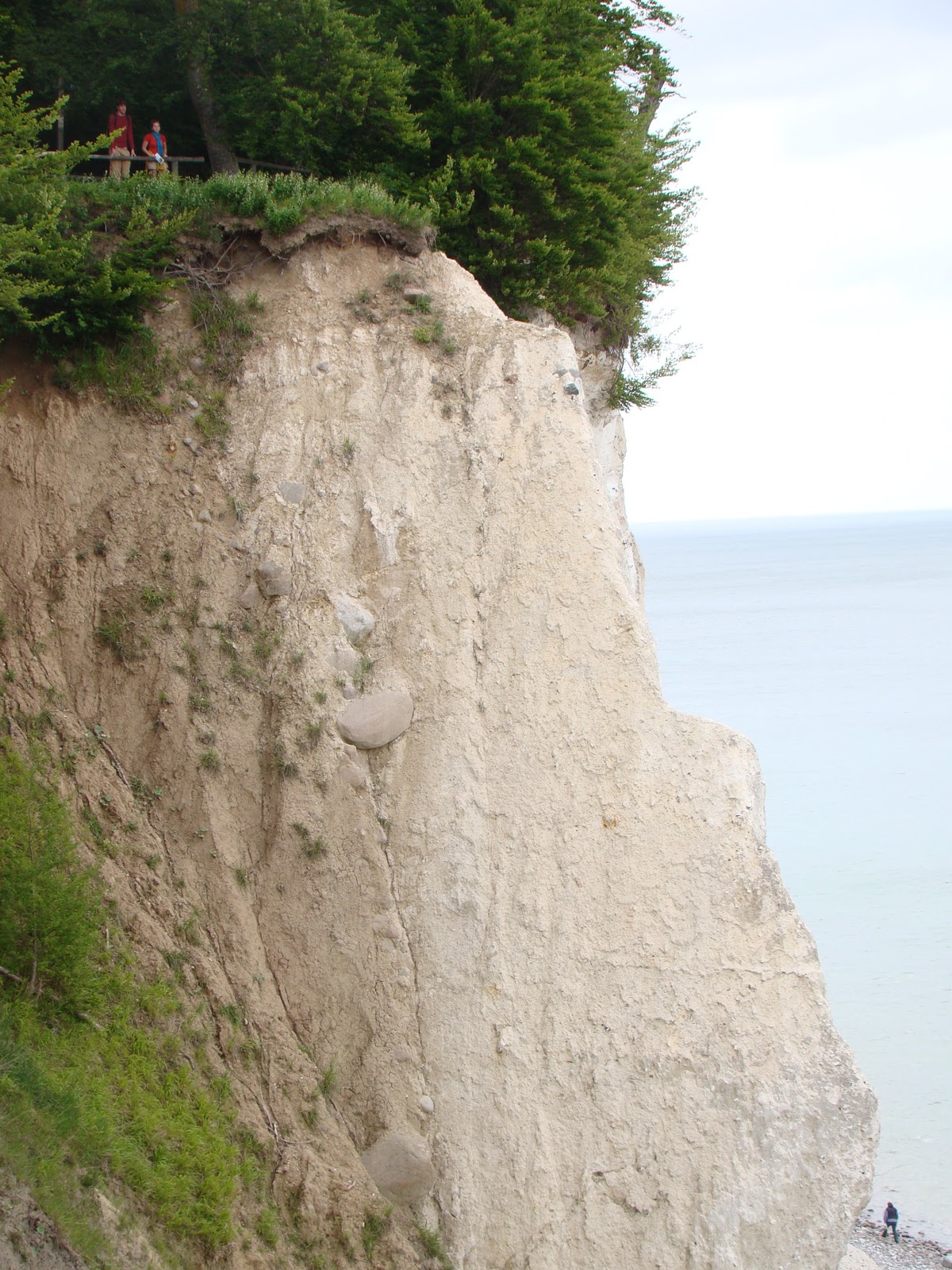
What do you call a peninsula that juts out into air instead of watter; cause our lunch spot was surrounded on three sides by a 100ft drop.

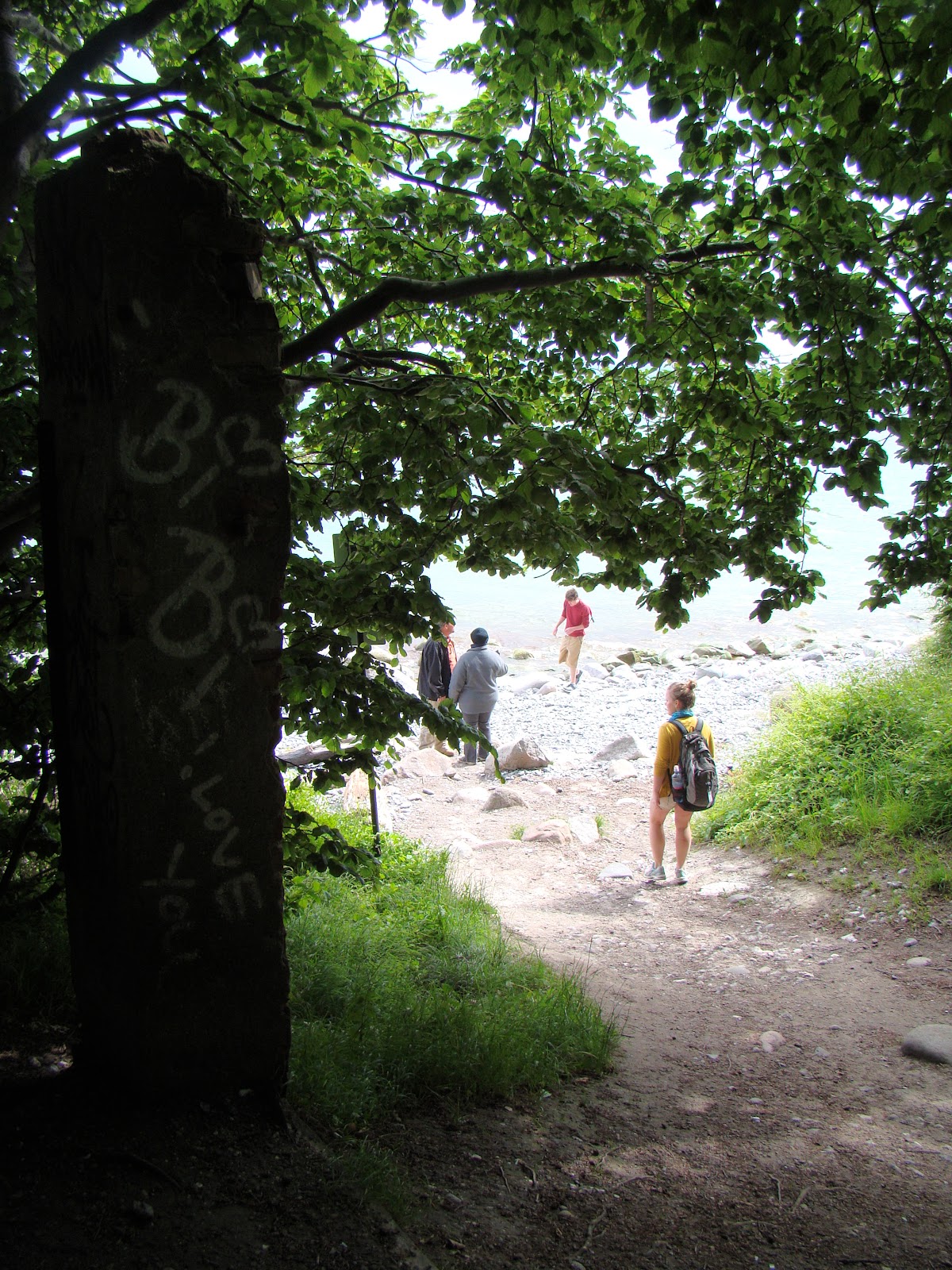
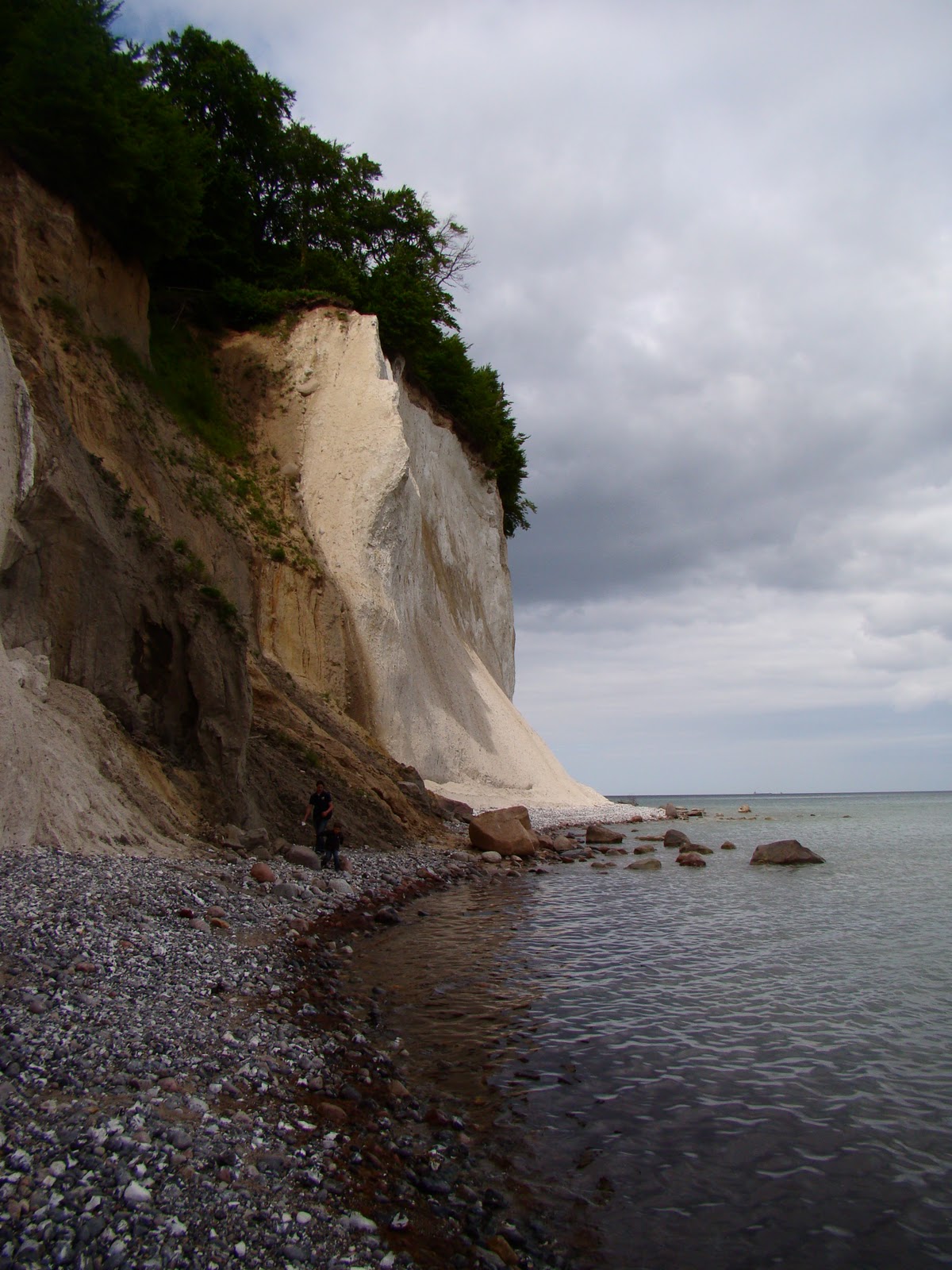
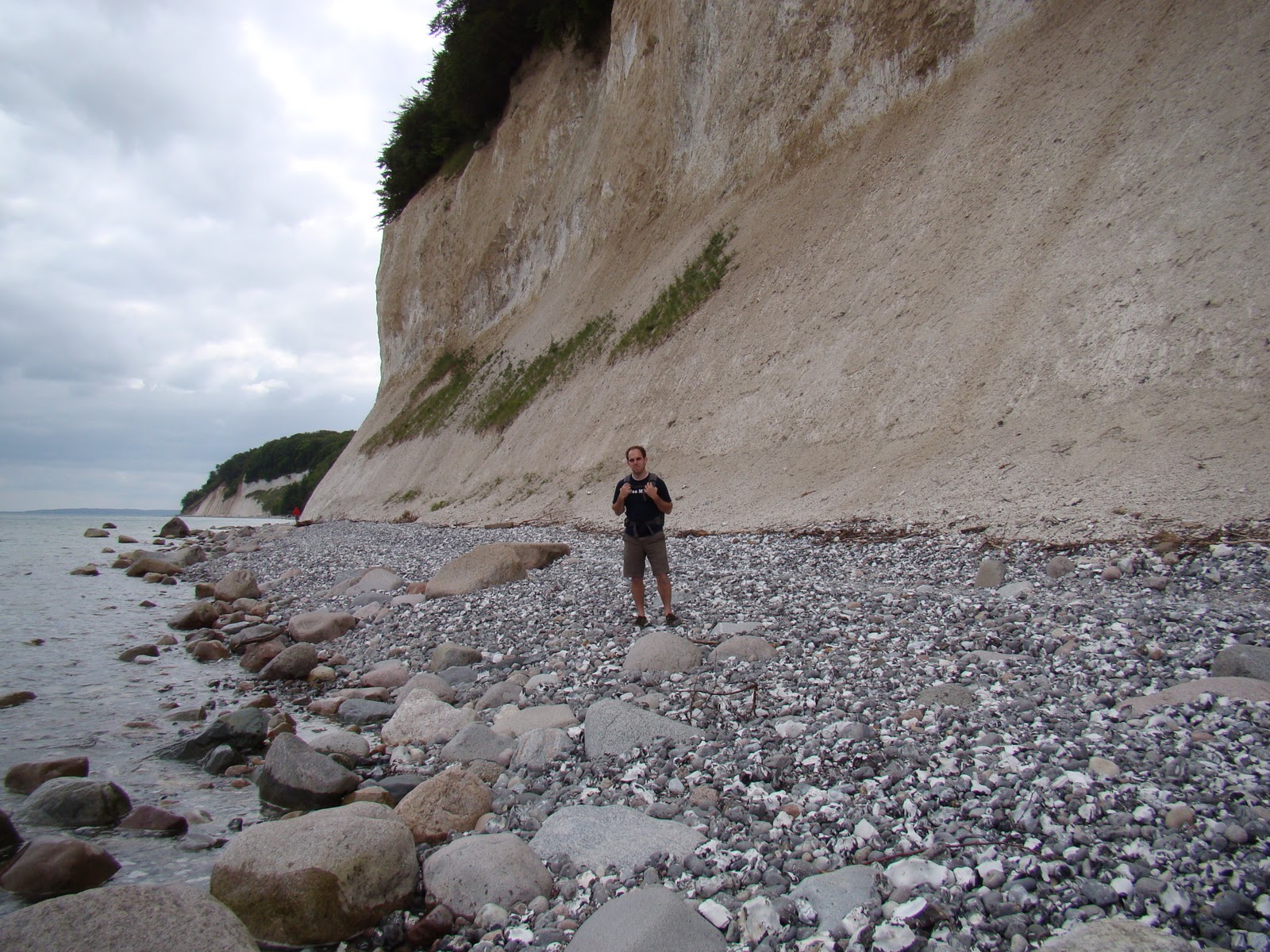
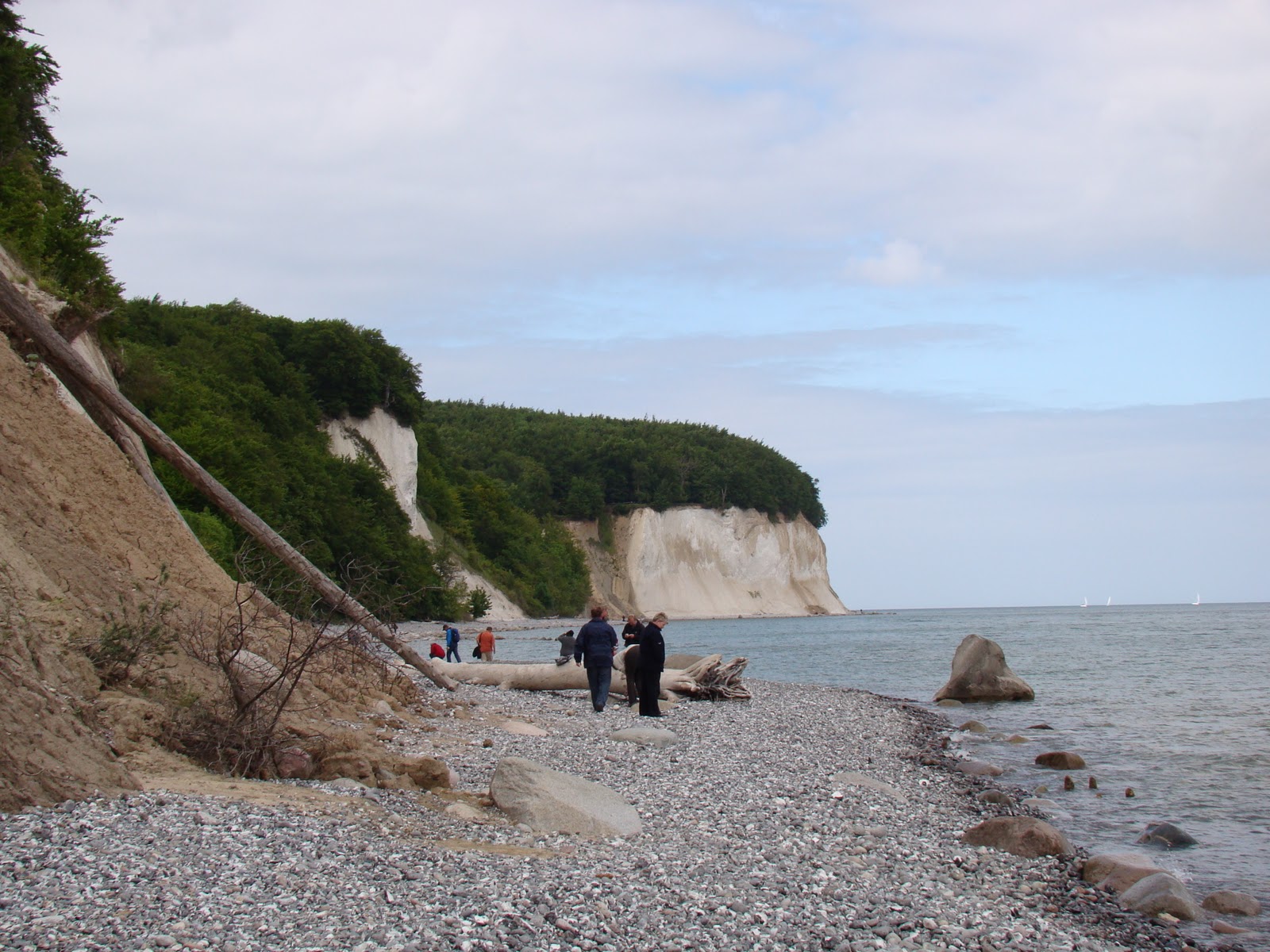
We finally found the way down to the beach.


Bottom of the waterfall.


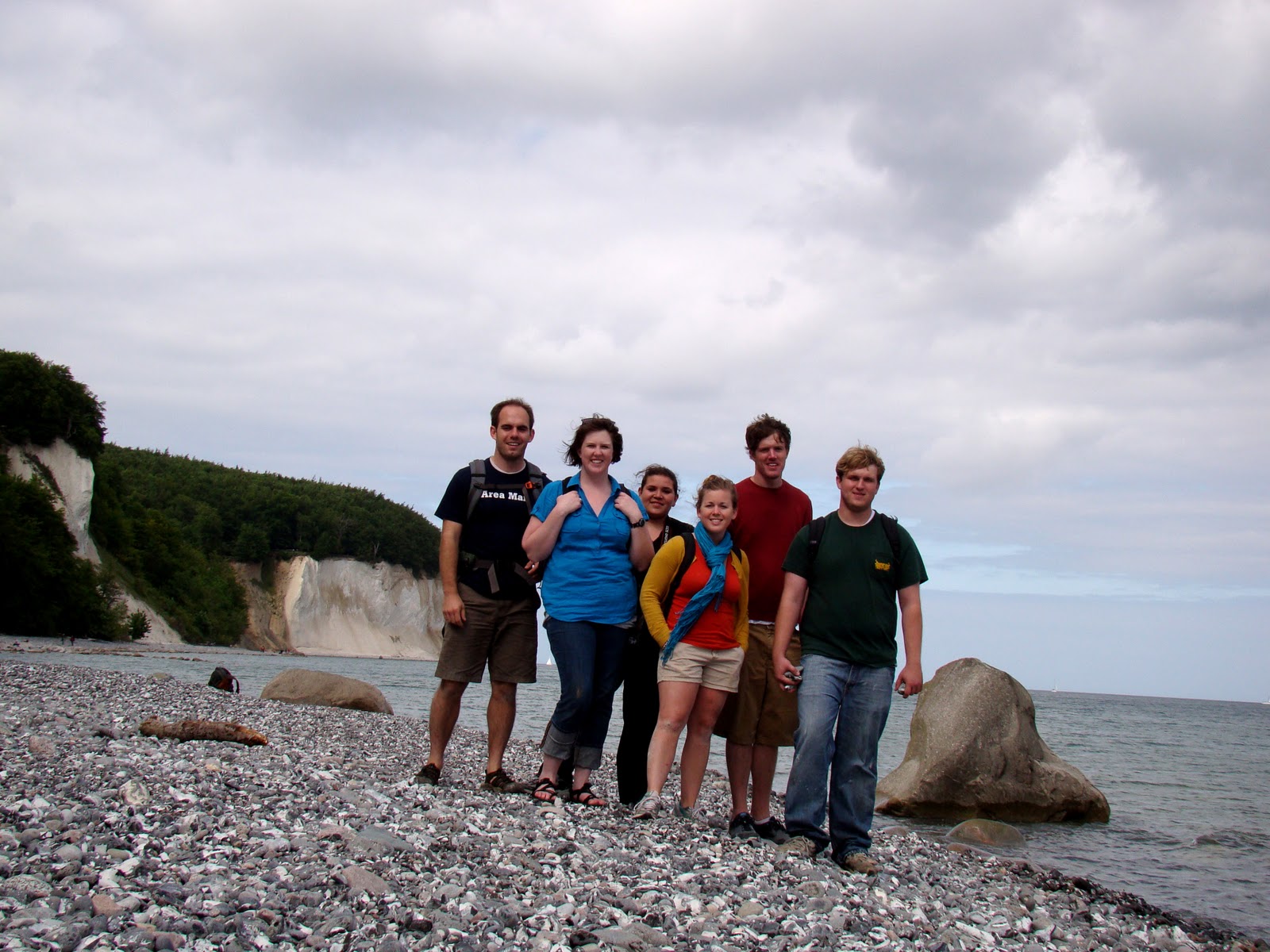
Guten tag wife. Guten tag Mom.

Notice the scale figures in upper left and lower right.


Tuesday, June 15, 2010


Getting away

Just 3 hours train ride north of Berlin, in the Baltic sea is a place where Germans can go to get away from the noise, the traffic, the constraints of schedule, and american tourists.  I guess they weren't able to get away from the American tourists so much, but we sure were.

I feel like there is this completely new facet of German life that I understand now.  The availability of mass transit all the way out into tiny towns makes them into a kind of extension of the city.  Not that they are any more crowded, or that there is really anything more to do there. Everything is simply more accessible.  The high degree of accessibility made it almost makes it seem like Berlin, Potsdam, and Sassnitz are part of the same community.  This really stands in contrast to the way American cities and towns connect.  Our dependence on cars and interstate really seems to diminish the value of walking to a destination, and riding in our own vehicles for hours at a time seems to separate us from everyone else traveling in the same direction.


Monday, June 14, 2010

Architecture, It's nice to be here.

There is just something nice about architecture when it invites you in.  There are times when I see something in a building that makes me think of something else or makes me wonder how it works. Without any conscious effort I am invited into the architecture, invited to imagine about it, to walk through it, to go a little bit closer to it. 


Berlin Philharmonie by Hans Scharoun


It would be hard to walk through this lobby without stopping to stare at the stained glass wall.  It softly dominates the space.  It invites you to compare it to the familiar windows of a Church when you were 8, and then all the sudden you are caught trying to figure out exactly what kind of pattern they are in...

Scharoun took the ability of architecture to engage people to an experience seriously when he put together the main symphony hall.  He noticed that people naturally gather around musicians, and people will even press up behind the musicians to get closer to them.  In 1962 Scharoun was the first architect in the world to design a full scale symphony hall in a way that allowed people to interact with musicians the way they do naturally (from all around). 


Well Placed Board by Unknown (probably the pond cleaning guy)

It is strange that something so simple spurs: What's on the other side?  Who left this here?  Is that really safe?  Can I make it across without falling?  I used to make bridges like this when I was little....


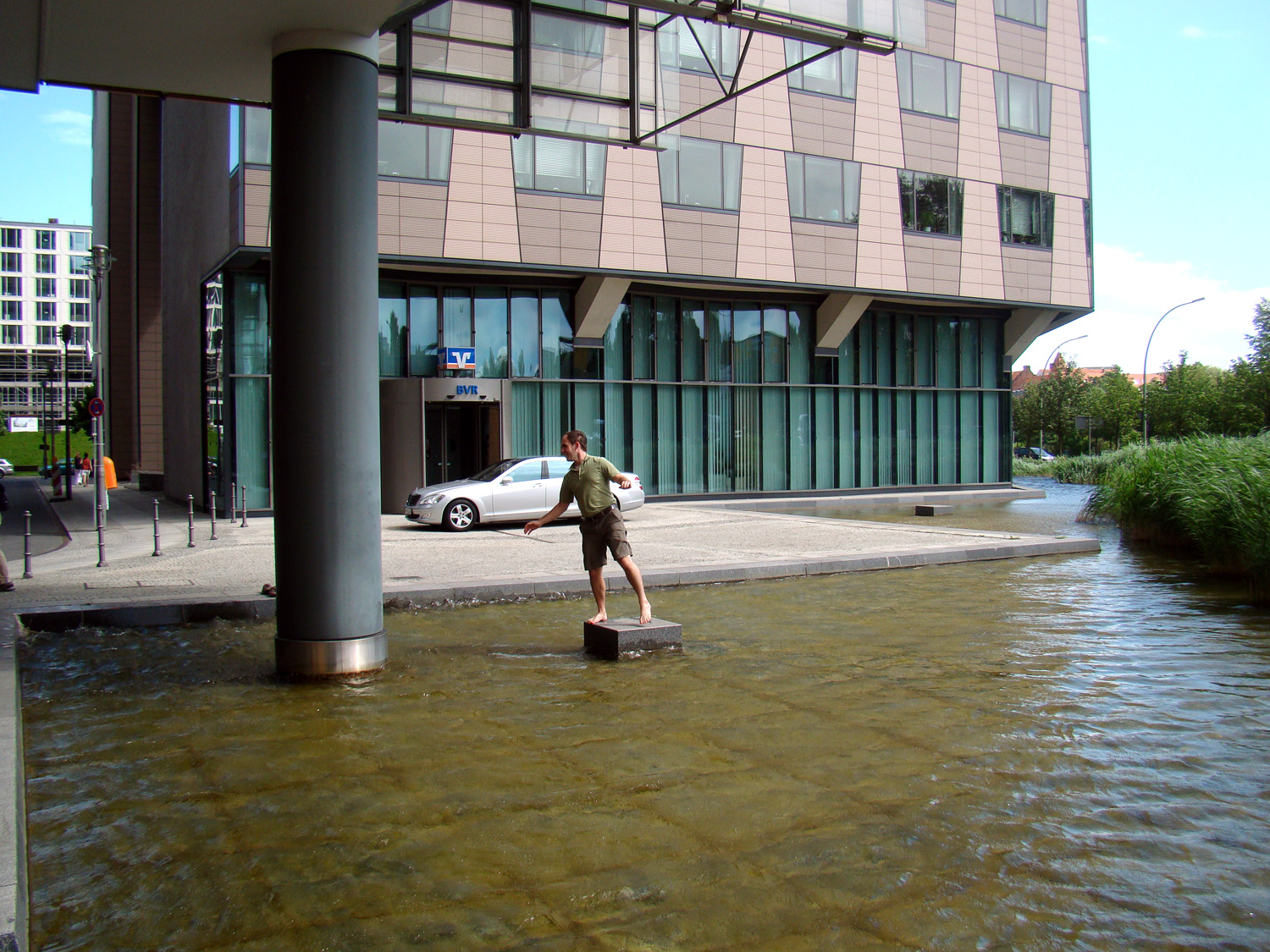
Debis-Haus am Potsdamer Platz by Renzo Piano

Yeah, He could have done it with one big column...  but then there wouldn't have been a space to take a picture of, or someone in the reflection taking a picture back.


The way the building ended over the pond created a really nice space, and They provided stepping stones for everyone.

The cool part of this wasn't that a lone stepping stone is just asking to be waded out to.  The cool part is once you get there, there is a view straight up through a void in the stairwell hanging above.  Finding something there, special, only for the person who kicks of their shoes creates something intimate, special, rewarding, cool.

Friday, June 11, 2010

Reichstag 

The U.S. Congress needs a giant laser beam tornado pointing down at the senate floor.  Maybe things would get done faster with the threat of impending laser blasting.

The Reichstag (Germany's parliament building) offered an interesting take on the relationship of politicians and the general public.  Looking down on top of them from the dome made it feel like the people were keeping them in line, under watch all the time.  It also offered an excellent view of the city as you walk up the helix to the top.  It was different from looking out from a skyscraper because of the way you move around and up it. The view constantly changed all the way up.